


The way a commercial space is designed has a direct impact on productivity, employee well-being, and customer experience. In South Africa, businesses are moving away from stiff, traditional office layouts and embracing modern, flexible, and inspiring work environments that boost morale and efficiency.
Whether you’re designing an office, co-working space, retail store, or hospitality venue, the right interior design choices can enhance brand identity, encourage collaboration, and create an inviting atmosphere. Let’s explore how interior design can transform commercial spaces into dynamic and functional workplaces.
1. Understanding the Role of Interior Design in Commercial Spaces

Interior design isn’t just about aesthetics—it’s about functionality, comfort, and brand identity. A well-designed workspace:
- Boosts Productivity – Thoughtful layouts improve workflow and efficiency.
- Enhances Employee Well-being – Natural light, ergonomic furniture, and good ventilation contribute to better health.
- Strengthens Brand Identity – A space that reflects your brand values creates a lasting impression on clients and employees.
- Encourages Collaboration – Open spaces and social areas promote teamwork and creativity.
- Improves Customer Experience – A well-designed retail or hospitality space enhances customer satisfaction and loyalty.
From corporate offices to boutique retail stores, interior design plays a crucial role in shaping the business environment.
2. Office Layouts: Choosing the Right Design for Your Business

A functional office layout directly influences productivity and team dynamics. The best layout depends on your business model, company culture, and team needs.
Popular Office Layouts:
🏢 Open-Plan Offices
✔ Encourages collaboration and communication.
✔ Best for creative industries, marketing firms, and tech startups.
✔ Use partitions or plants to create privacy zones.
🏢 Traditional Cubicle Layout
✔ Provides personal space and reduces distractions.
✔ Best for call centres, law firms, and financial institutions.
✔ Ensure there’s a balance between private and shared spaces.
🏢 Activity-Based Workspaces
✔ Offers a mix of open spaces, private pods, and collaborative zones.
✔ Best for dynamic teams that need flexibility.
✔ Incorporate breakout areas and meeting rooms.
🏢 Hybrid Workspaces
✔ Combines remote work flexibility with in-office collaboration.
✔ Best for modern businesses adapting to post-pandemic work culture.
✔ Include hot desks, quiet zones, and remote-friendly setups.
Quick Tips for Office Layouts:
✔ Consider soundproofing solutions for noise control.
✔ Use modular furniture to adapt spaces for different needs.
✔ Ensure good traffic flow to avoid overcrowding.
3. The Power of Natural Light & Artificial Lighting
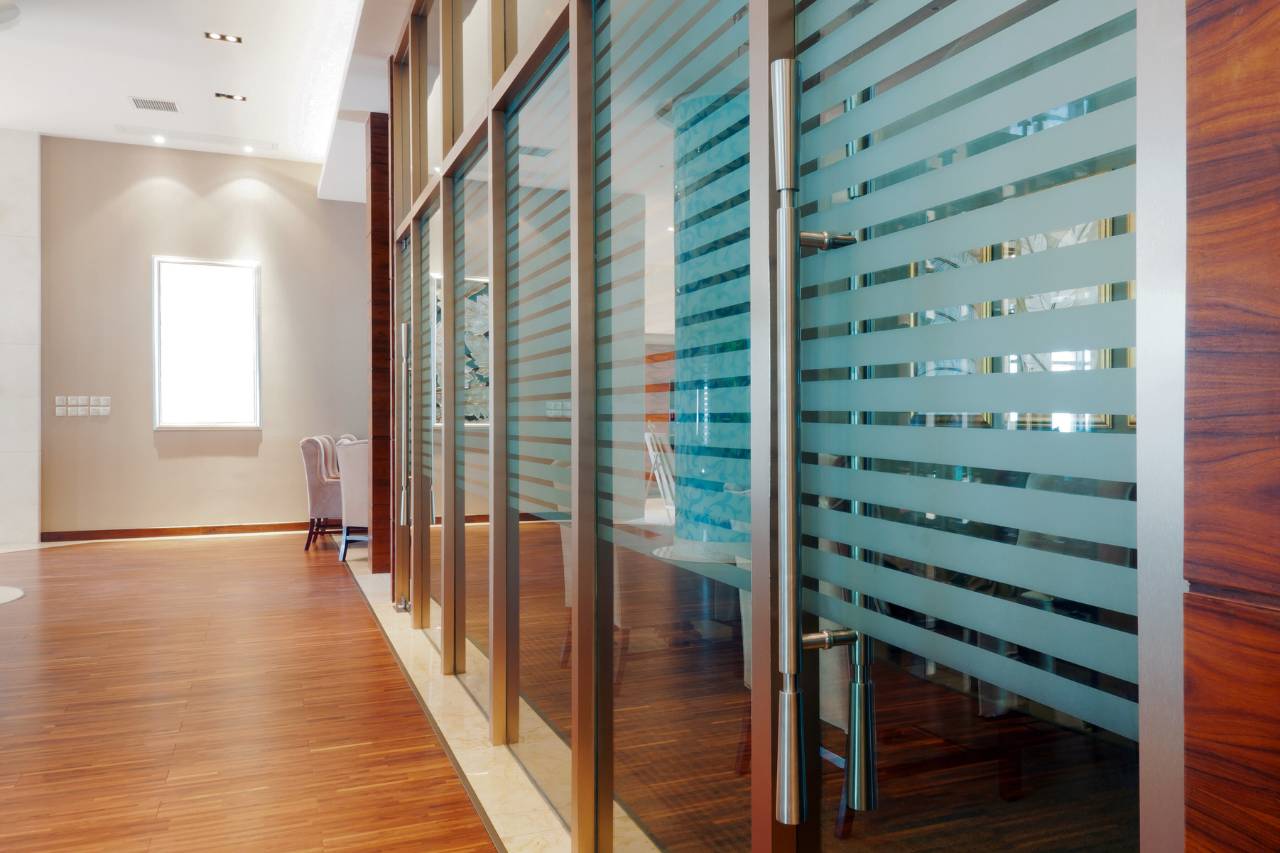
Lighting is a key element of commercial interior design, impacting mood, productivity, and energy efficiency.
Maximising Natural Light:
🪟 Large Windows & Glass Partitions – Allow more daylight to enter the space.
🪟 Mirrors & Reflective Surfaces – Help distribute light evenly.
🪟 Light-Coloured Walls & Ceilings – Make the space feel brighter and more open.
Best Artificial Lighting for Workspaces:
💡 LED Lighting – Energy-efficient and long-lasting.
💡 Task Lighting – Desk lamps or under-cabinet lighting improve focus.
💡 Ambient Lighting – Soft, warm lighting for relaxation areas.
💡 Accent Lighting – Highlights branding and key features.
Quick Tips:
✔ Use smart lighting systems that adjust brightness based on time of day.
✔ Avoid harsh fluorescent lighting that can cause eye strain.
✔ Consider lighting zones for different tasks and moods.
4. Colour Psychology in Commercial Interior Design
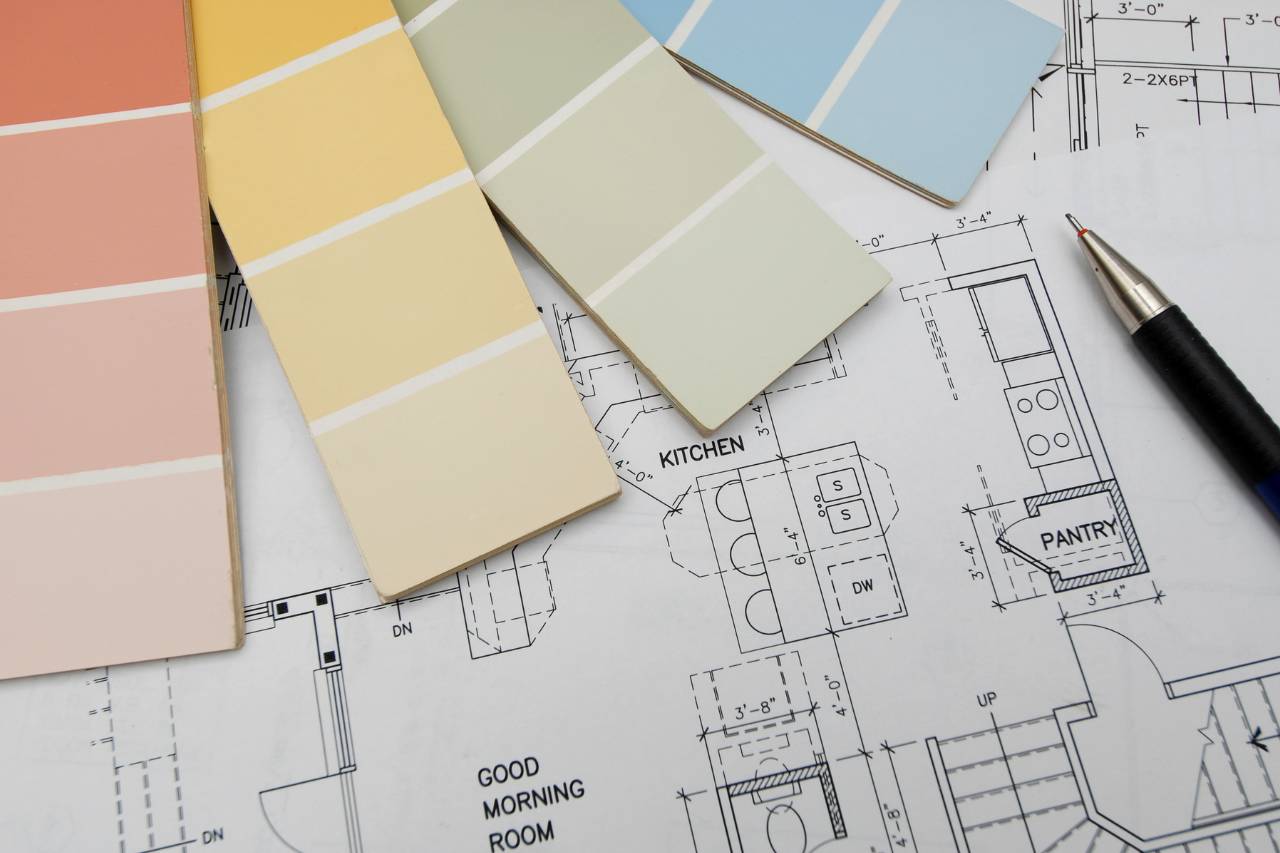
Colours influence mood, creativity, and concentration. Choosing the right colour scheme can enhance your workspace environment.
🎨 Blue & Green – Promote focus and calmness. Best for offices and healthcare spaces.
🎨 Yellow & Orange – Encourage creativity and energy. Ideal for creative industries and co-working spaces.
🎨 Neutral Tones – Provide balance and professionalism. Great for corporate offices.
🎨 Red & Bold Accents – Stimulate excitement and urgency. Suitable for retail stores and restaurants.
Quick Tips:
✔ Use brand colours strategically to reinforce identity.
✔ Combine warm and cool tones for a balanced aesthetic.
✔ Use wall art and feature walls to add visual interest.
5. Incorporating Green & Sustainable Design
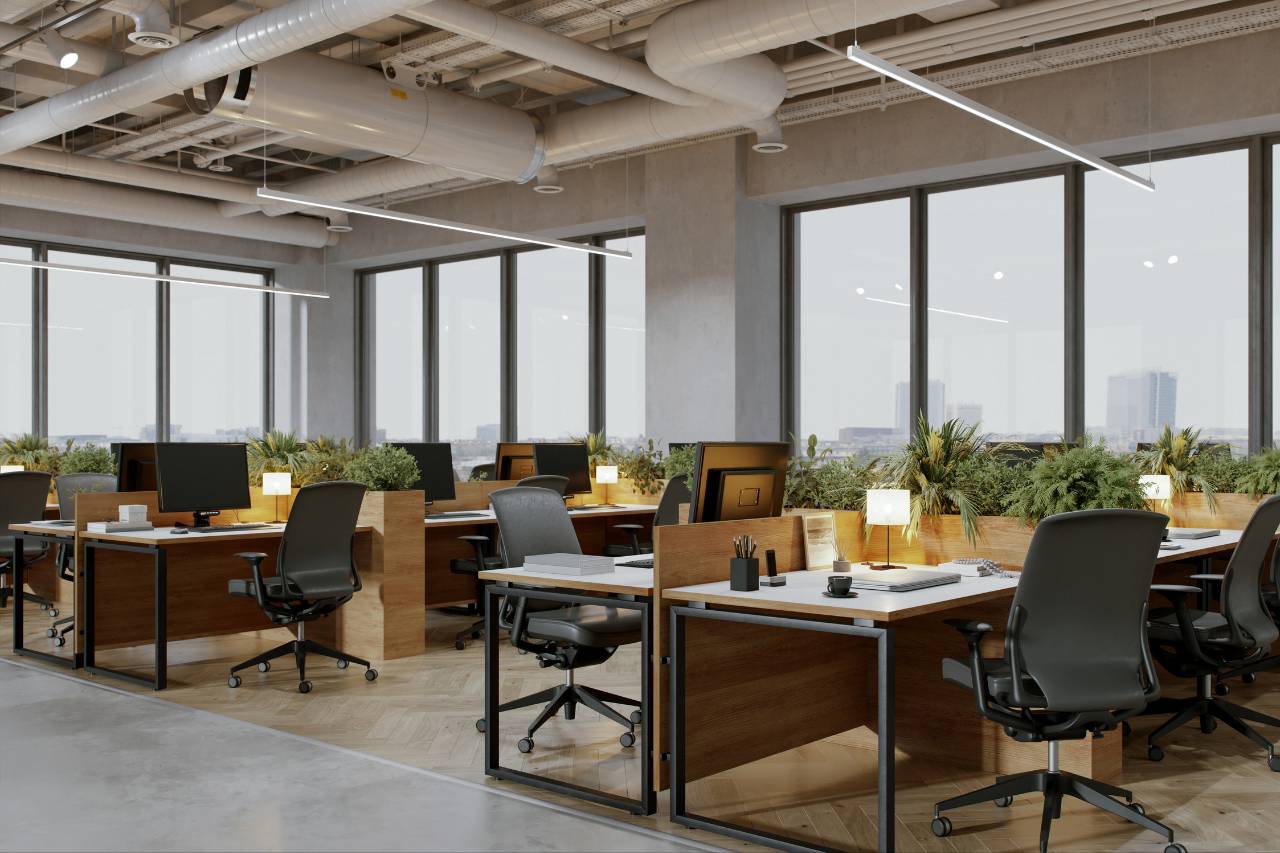
Sustainable interior design is becoming a priority for South African businesses. Eco-friendly workspaces reduce environmental impact and create a healthier setting for employees and customers.
Sustainable Office Design Ideas:
🌱 Energy-Efficient Lighting & Appliances – Reduce power consumption.
🌱 Recycled & Locally Sourced Materials – Supports sustainability.
🌱 Indoor Plants & Green Walls – Improve air quality and aesthetics.
🌱 Water-Saving Fixtures – Essential for reducing waste.
🌱 Eco-Friendly Flooring – Bamboo, reclaimed wood, or polished concrete.
Quick Tips:
✔ Install motion sensors for energy-efficient lighting.
✔ Use ergonomic and sustainable furniture for comfort and durability.
✔ Encourage a paperless environment to reduce waste.
6. Creating Comfortable & Functional Workspaces
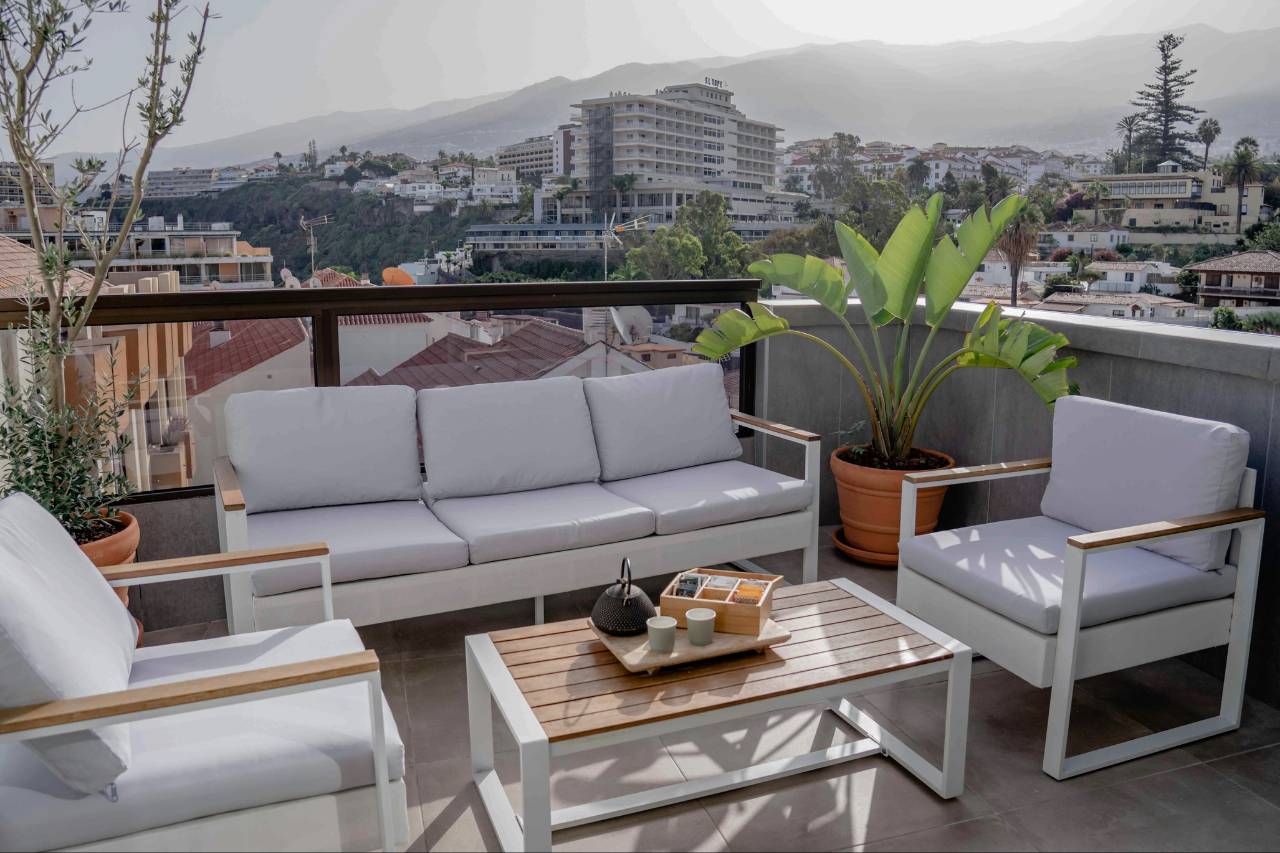
A well-designed office should prioritise comfort, ergonomics, and flexibility.
Must-Have Features for an Inspiring Workplace:
🪑 Ergonomic Chairs & Desks – Reduce strain and improve posture.
🛋 Breakout Spaces & Lounge Areas – Allow employees to recharge.
📊 Tech-Integrated Workspaces – Smart screens, wireless charging stations, and modern conference rooms.
🖼 Artwork & Branding Elements – Reinforce company culture.
Quick Tips:
✔ Use soundproofing solutions like carpets and acoustic panels.
✔ Provide standing desks for a more active workspace.
✔ Add motivational quotes or company values to wall designs.
7. Interior Design for Retail & Hospitality Spaces
For retail stores, restaurants, and hotels, interior design directly affects customer experience and sales.
Retail Store Design Tips:

🛍 Optimise Store Layout – Arrange aisles for easy navigation.
🛍 Use Strategic Lighting – Highlight key products.
🛍 Create Instagrammable Spaces – Encourage social media engagement.
Hospitality & Restaurant Design Tips:
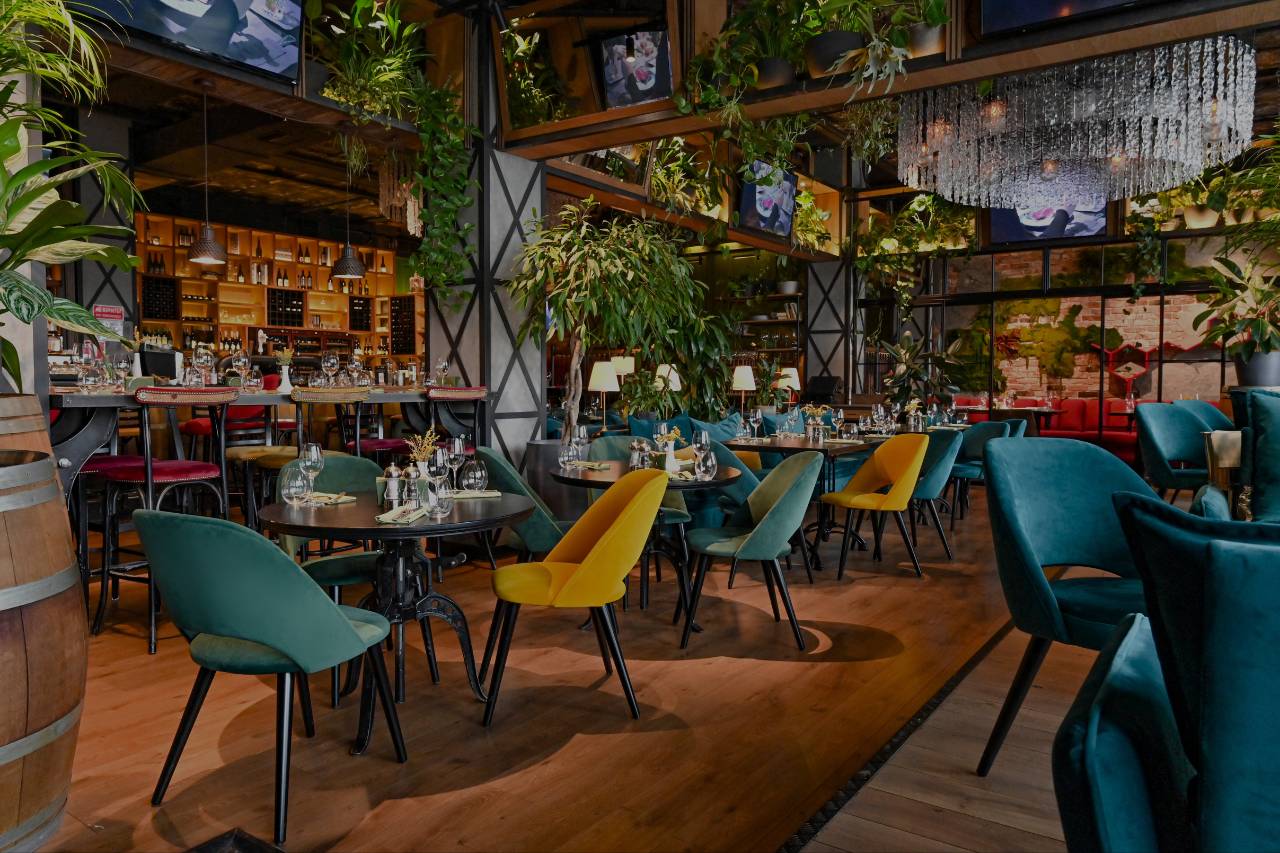
🍽 Use Warm Lighting – Creates a welcoming ambiance.
🍽 Choose Comfortable Seating – Keeps guests relaxed.
🍽 Incorporate Local Design Elements – Reflects South African culture and identity.
Final Thoughts: Elevate Your Commercial Space with Smart Interior Design
Investing in high-quality interior design transforms commercial spaces into productive, inviting, and inspiring environments. Whether you’re designing an office, a retail store, or a hospitality venue, thoughtful layout planning, lighting, colour schemes, and sustainability are key to success.
At Mimiti, we specialise in commercial interior design solutions tailored to South African businesses. Whether you want to revamp an office, create a retail masterpiece, or design a hospitality experience, our team is here to help.


0 Comments