


Urbanisation in South Africa is accelerating at a rapid pace, with cities like Johannesburg, Cape Town, and Durban expanding to accommodate growing populations. However, as cities develop, maintaining a balance between infrastructure and green spaces is crucial. This is where landscape architecture plays a vital role.
From public parks and rooftop gardens to water-wise urban design and pedestrian-friendly spaces, landscape architecture enhances urban life by improving air quality, reducing heat, and creating functional, attractive environments.
In this blog, we’ll explore the importance of landscape architecture in urban areas, its impact on sustainability and public well-being, and how South Africa’s cities can benefit from greener urban planning.
1. What is Landscape Architecture?

Landscape architecture is the design and planning of outdoor spaces to improve functionality, aesthetics, and environmental sustainability. It includes:
🌿 Parks and public gardens
🏡 Residential and commercial landscapes
🏙 Urban green infrastructure (rooftop gardens, tree-lined streets)
🚶 Pedestrian-friendly walkways and cycling paths
🌍 Environmental restoration projects
In South African cities, landscape architects help transform concrete-heavy urban spaces into greener, healthier, and more liveable environments.
2. Enhancing Public Health & Well-Being

How Green Spaces Improve Health
Urban green spaces provide mental and physical health benefits. Research shows that people who live near parks and gardens experience lower stress levels and improved overall well-being.
Health Benefits of Landscape Architecture in Cities:
✔ Reduces Air Pollution – Trees and plants filter pollutants and improve air quality.
✔ Encourages Physical Activity – Parks and pedestrian paths promote walking and exercise.
✔ Lower Stress & Anxiety – Green spaces help people relax and unwind.
✔ Creates Social Spaces – Parks and plazas encourage social interaction and a sense of community.
South African Example:
📍 The Green Point Urban Park (Cape Town) – A prime example of how landscape architecture has revitalised an urban area, offering jogging trails, play areas, and picnic spots while enhancing biodiversity.
3. Sustainability & Climate Adaptation
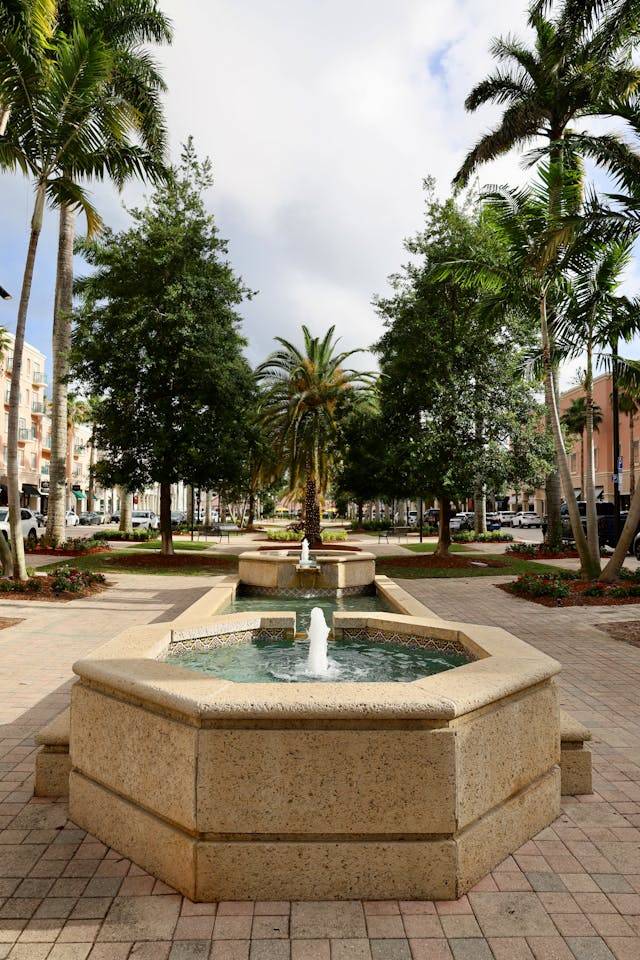
South Africa faces water shortages, rising temperatures, and extreme weather patterns. Landscape architecture can mitigate climate change effects and promote sustainability in urban areas.
How Sustainable Landscape Architecture Helps:
🌱 Reduces Urban Heat Islands – Green roofs, street trees, and parks lower city temperatures.
💧 Manages Stormwater Efficiently – Rain gardens and permeable pavements prevent flooding.
🌿 Encourages Biodiversity – Indigenous plants attract birds, bees, and local wildlife.
♻ Promotes Water-Wise Landscaping – Drought-tolerant gardens reduce the need for excessive watering.
South African Example:
📍 Delta Park (Johannesburg) – A restored greenbelt that supports biodiversity and provides an essential ecological function within the city.
4. Economic Benefits: Boosting Property Value & Tourism
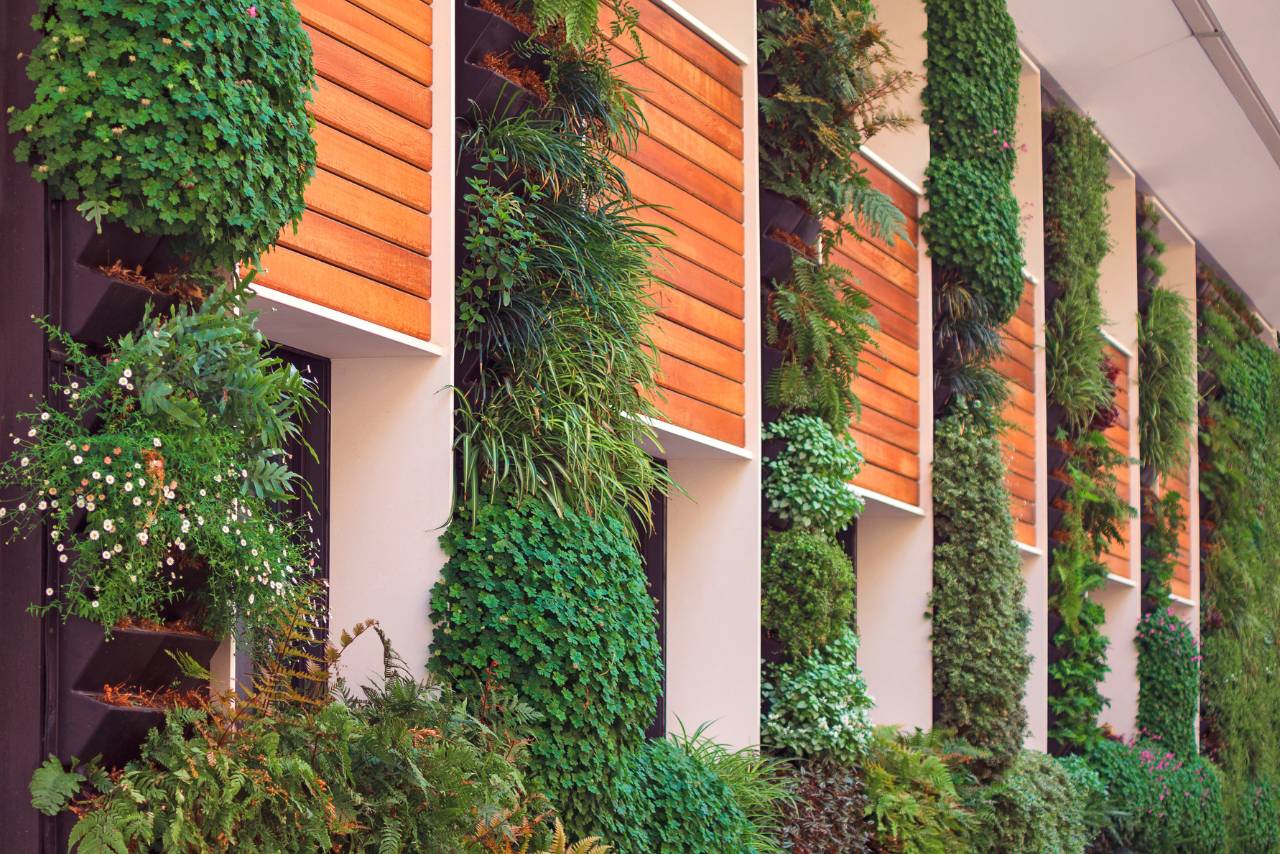
How Green Spaces Impact Property Value
Homes and commercial properties near parks and well-designed landscapes increase in value due to their aesthetic and lifestyle appeal.
🏡 Increased Property Prices: Properties near well-maintained green spaces often sell for 10–15% more than those in concrete-heavy areas.
🏙 Higher Commercial Value: Offices surrounded by trees and gardens attract more businesses and employees.
🌍 Tourism Appeal: Iconic landscape architecture in cities boosts tourism and local economies.
South African Example:
📍 The Company’s Garden (Cape Town) – A historical urban park that attracts thousands of tourists annually while serving as a green oasis in the city centre.
5. Water-Wise & Indigenous Landscaping: A Necessity in South African Cities
Water scarcity is a major concern in South Africa, making water-wise landscape architecture essential.
Principles of Water-Wise Urban Landscaping:
💦 Xeriscaping: Using drought-resistant plants to reduce water consumption.
💦 Greywater Recycling: Reusing household and industrial wastewater for irrigation.
💦 Drip Irrigation Systems: Slow, targeted watering to conserve water.
💦 Permeable Pavements: Allows rainwater to soak into the ground, replenishing groundwater.
Best Indigenous Plants for South African Urban Areas:

🌿 Spekboom – Absorbs carbon and thrives in dry conditions.
🌿 Aloe Vera – Requires minimal watering and supports biodiversity.
🌿 Wild Olive Trees – Provide shade and are drought-resistant.
🌿 Cape Honeysuckle – A fast-growing, low-maintenance option.
South African Example:
📍 Kirstenbosch National Botanical Garden (Cape Town) – Showcases how indigenous plant landscaping can be both beautiful and sustainable.
6. Urban Landscape Architecture & Public Safety
Green spaces don’t just look good—they also improve urban safety and accessibility.
How Landscape Architecture Improves Safety:
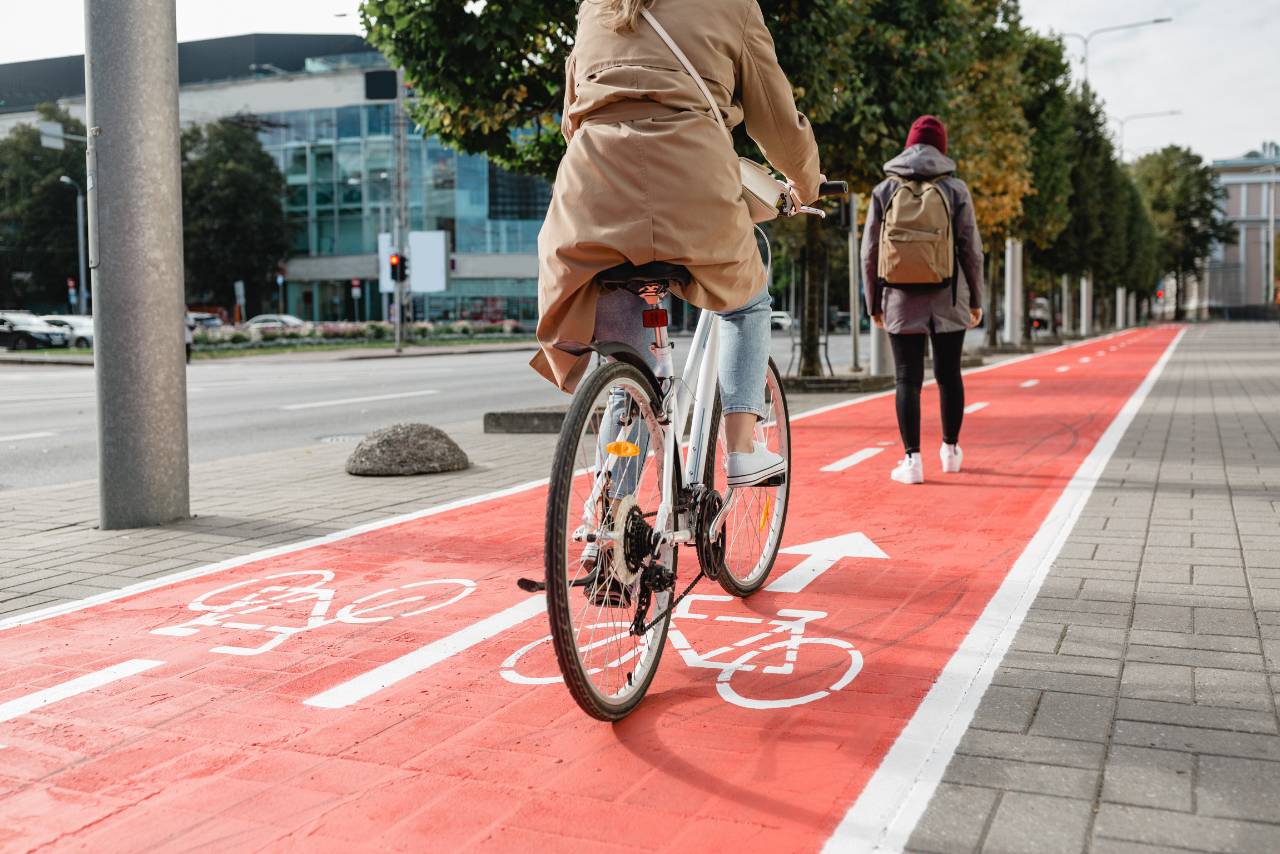
🚦 Better Traffic Flow: Well-planned pedestrian areas and cycle lanes reduce accidents.
💡 Smart Lighting: Parks and pathways with proper lighting deter crime.
🚶 Walkability & Accessibility: More green spaces encourage walking, reducing reliance on cars.
👀 Community Interaction: Well-used public spaces naturally increase security through visibility.
South African Example:
📍 Maboneng Precinct (Johannesburg) – A successful urban renewal project where landscape architecture has transformed neglected spaces into vibrant, safe community hubs.
7. The Future of Landscape Architecture in South Africa
With rapid urbanisation and climate change challenges, landscape architecture will play an increasingly vital role in shaping South African cities.
Key Trends in Urban Landscape Architecture:
🌍 Smart Green Cities – Integrating technology with green spaces for sustainability.
🏡 Edible Landscapes – Urban farming initiatives to promote food security.
💧 Water-Sensitive Urban Design – Creating flood-resistant and water-efficient cities.
🛤 Multi-Use Public Spaces – Designing parks that serve recreational, social, and ecological functions.
What South African Cities Can Do:
✔ Prioritise Green Infrastructure in Urban Planning.
✔ Incentivise Water-Saving & Sustainable Landscaping.
✔ Encourage Community-Driven Green Projects.
✔ Integrate More Green Roofs & Vertical Gardens.
Final Thoughts: Why Landscape Architecture is Essential for South African Cities
From Johannesburg’s urban parks to Cape Town’s coastal green belts, landscape architecture is reshaping urban areas, creating healthier, more sustainable, and more liveable cities.
Investing in landscape architecture ensures that South African cities remain beautiful, functional, and resilient for future generations. Whether through community-driven projects, government initiatives, or private developments, the key to better urban living lies in thoughtful green design.


0 Comments