


Introduction
In South Africa, where we experience everything from lightning storms to load-shedding, electrical safety at home isn’t just important; it’s essential. Faulty wiring, overloaded circuits, and DIY electrical mishaps are among the leading causes of house fires and serious injuries across the country.
But here’s the good news: with a bit of knowledge (and the right professional help when needed), you can drastically reduce the risks.
In this guide, we’ll walk you through 10 essential electrical safety tips, trusted by every seasoned electrician, to help keep your home and family safe. ⚡🏡
1. Always Hire a Licensed Electrician for Electrical Work
Let’s start with the golden rule: never attempt major electrical work yourself. It’s illegal in South Africa to install new wiring or change your DB (distribution board) unless you’re a licensed electrician registered with the Department of Labour.
💡 Why?
Poor electrical work can cause fires, shocks, or even fatalities, and if something goes wrong, your insurance may refuse to pay out.
✔ Always check that your electrician is registered and able to issue a Certificate of Compliance (CoC) after any major work.
Local Tip: In Gauteng, Western Cape, and KZN, you can verify an electrician’s registration with the Electrical Contractors Association of South Africa (ECA(SA)).
2. Don’t Overload Your Electrical Outlets

It’s tempting to plug your kettle, microwave, toaster, and coffee machine into the same outlet, but overloading circuits is a major fire hazard.
⚡ Common signs of overloading:
-
Circuit breakers trip frequently.
-
Outlets or plugs feel warm.
-
Lights flicker or dim when appliances run.
✔ Use surge protectors and avoid daisy-chaining multiple extension cords together!
3. Inspect Cords and Plugs Regularly

Frayed cords, cracked plugs, and exposed wiring are an accident waiting to happen. Damaged cords can cause electrical shorts, shocks, and fires.
What to look for:
-
Cuts or tears in cables.
-
Loose prongs or wobbly plugs.
-
Black marks around plug points (a sign of sparking).
✔ Replace damaged cords immediately. Don’t try to “fix” a cable with tape; it’s not safe!
4. Water and Electricity Don’t Mix
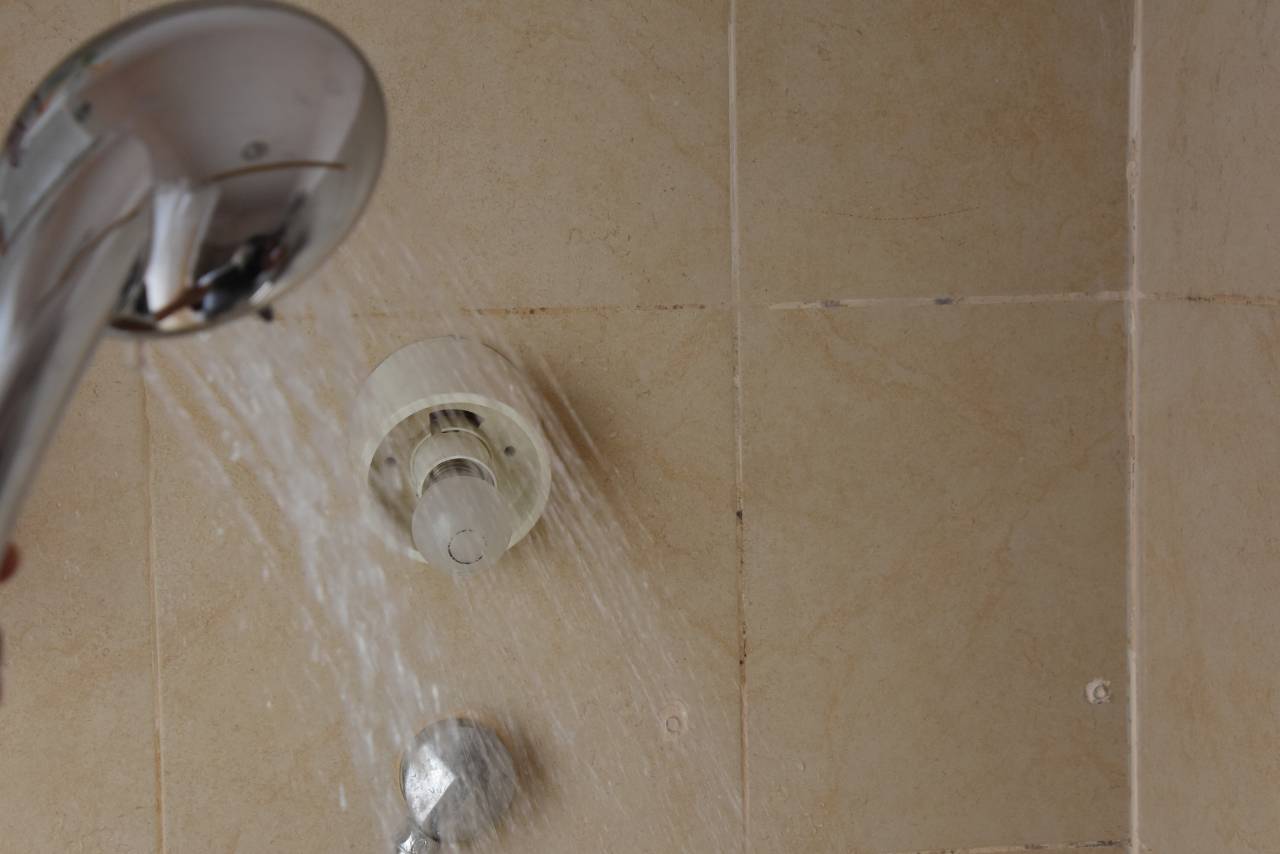
Water is an excellent conductor of electricity and it can cause shocks, electrocution, or short circuits when it meets live wires.
🚿 Electrical Safety Rules Near Water:
-
Never use electrical appliances near bathtubs, pools, or sinks.
-
Install Residual Current Devices (RCDs) — also known as Earth Leakage Units, to protect against electric shocks.
-
Dry your hands thoroughly before touching plugs or switches.
Local Tip: If you live in coastal cities like Durban or Cape Town, where humidity levels are high, regularly check for moisture buildup in outdoor sockets.
5. Install the Correct Circuit Breakers and Earth Leakage Protection 
A proper South African electrical installation must have circuit breakers and earth leakage protection by law.
⚡ Their Job:
-
Circuit breakers trip when circuits overload or short out, preventing fires.
-
Earth leakage devices trip when they detect current leakage, protecting you from shocks.
✔ Ask a qualified electrician to test your system annually, especially after major renovations or appliance upgrades.
6. Don’t DIY Electrical Repairs
Tinkering with your home’s wiring without training is not only dangerous but illegal in South Africa.

🛠 DIY electrical mistakes can cause:
-
Fire hazards.
-
Hidden faults that show up months later.
-
Immediate shock injuries.
✔ For minor issues like changing a light bulb? Sure, DIY away.
✔ For rewiring plugs, replacing sockets, or anything behind the wall? Always call a licensed electrician.
7. Educate Your Family About Electrical Safety
Electrical safety isn’t just for the grown-ups; kids need to know the basics too!
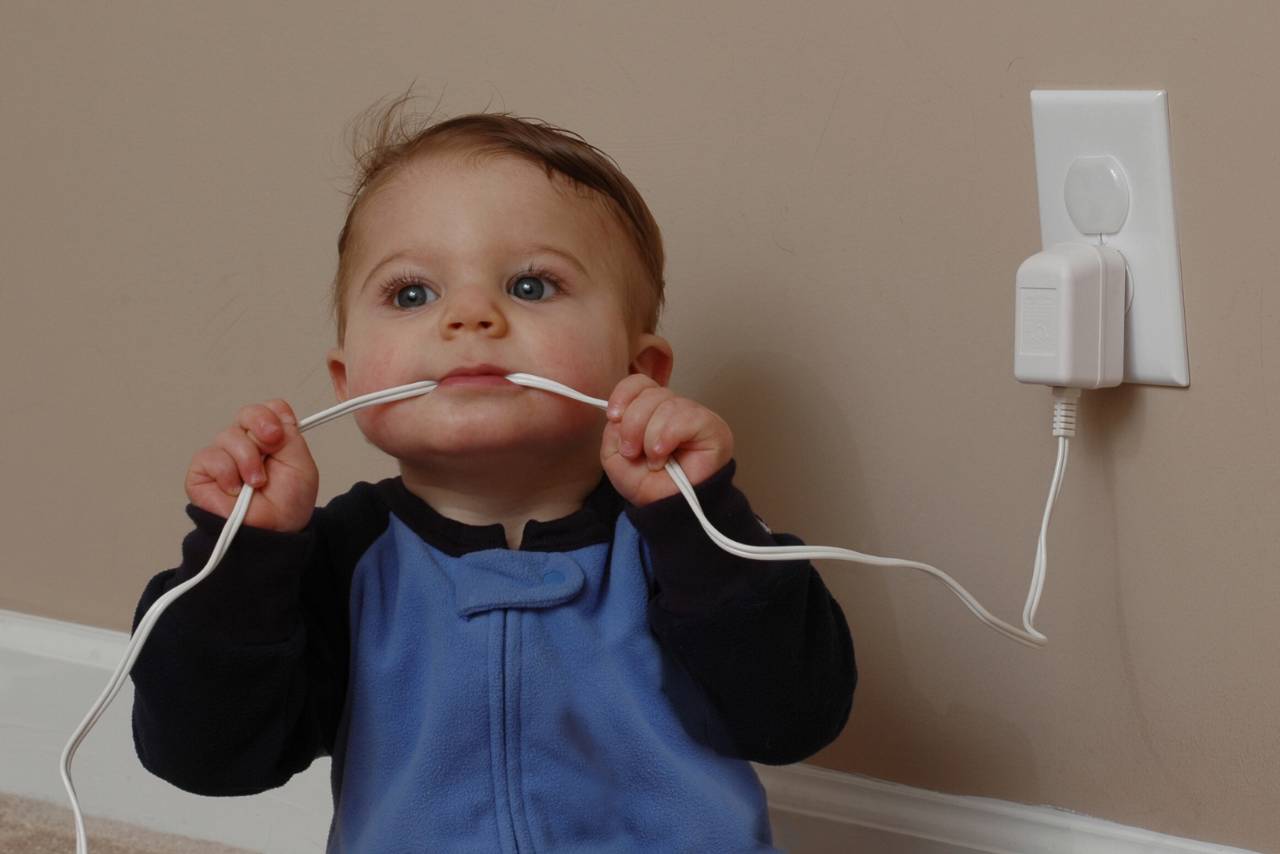
👶 Childproof your home:
-
Use outlet covers on unused sockets.
-
Teach kids never to pull cords out of the wall, always hold the plug.
-
Keep cords and appliances away from water, pets, and tiny fingers.
✔ Regular “electrical safety chats” with the family can prevent accidents before they happen.
8. Use the Right Bulbs for Your Light Fixtures
You might think any bulb fits any fixture, but using a bulb with higher wattage than recommended can cause overheating, melted sockets, and even fires.

💡 How to check:
-
Most fixtures have a label specifying the maximum wattage (e.g., “Max 60W”).
-
With energy-efficient LED bulbs, you often get more brightness with less wattage.
✔ Upgrade to LED bulbs wherever possible; they last longer, use less electricity, and run cooler.
9. Prepare for Load-Shedding Safely
South Africans are no strangers to load-shedding, but the surge when the power comes back can fry appliances or start fires if you’re not careful.

🛡️ Load-Shedding Safety Tips:
-
Unplug major appliances like TVs, computers, and microwaves during outages.
-
Invest in surge protectors for electronics.
-
Use battery-powered lights instead of candles to avoid fire risks.
✔ Install a surge protection device (SPD) on your DB board, your electrician can easily fit one for extra peace of mind.
10. Schedule Regular Electrical Inspections
Your home’s electrical system won’t last forever. Wires deteriorate, connections loosen, and regulations change.
How often should you get an inspection?
-
Every 5–10 years for homes less than 20 years old.
-
Every 3–5 years for older properties.
-
Before selling or buying a home (mandatory CoC needed).
✔ Regular inspections catch problems early, keeping your family safer and potentially saving you thousands in emergency repairs later on.
FAQs About Electrical Safety in South Africa
Q1: Can I replace a plug or light fitting myself?
💬 You can replace a plug or change a light fitting if you’re competent; but any work involving wiring inside walls, DB boards, or permanent fixtures must be done by a licensed electrician.
Q2: Is a Certificate of Compliance (CoC) really necessary?
💬 Absolutely. It’s not only required by law for property sales, but many insurance companies demand it before covering electrical claims.
Q3: How much does an electrical inspection cost in South Africa?
💬 Prices vary but expect to pay around R1,000 – R3,000 depending on property size and location. Always confirm what’s included.
Q4: Are all electricians qualified the same way?
💬 No! Always check that your electrician is properly registered. The ECA(SA) and Department of Labour have public databases you can check.
Final Thoughts: Stay Safe, Stay Smart
Electricity powers our homes, but it can also cause disasters when taken lightly.
By following these 10 essential electrical safety tips, staying vigilant, and knowing when to call a licensed electrician, you’re making your home safer for everyone inside.
At Mimiti, we believe in safe, efficient, and professional solutions. Whether you need a home inspection, minor upgrades, or a complete rewire, our qualified electricians are ready to help across South Africa.


0 Comments