


Introduction
When it comes to construction in South Africa, whether it’s a housing development in Midrand, a shopping centre in Gqeberha, or a new public road in Limpopo; one thing is true across the board: the success of any project starts with the ground beneath it.
Yet, developers often jump into planning, budgeting, and even design before properly assessing what lies beneath the surface. That’s where geotechnical engineering, specifically geotechnical risk assessment, becomes essential.
As someone who’s worked with multidisciplinary teams on projects across varied South African terrains, I can tell you with certainty: if you skip this step, you’re gambling with your budget, safety, and timeline.
In this blog, I’ll break down what geotechnical risk assessment is, why it matters in the South African context, and how it fits into modern construction and infrastructure planning.
🧠 What Is Geotechnical Risk Assessment?
 In a nutshell, geotechnical risk assessment is identifying, evaluating, and managing potential ground-related risks that could impact a construction project’s safety, cost, design, or timeline.
It’s a key component of geotechnical engineering; the field focused on understanding soil and rock behaviour, groundwater conditions, and how all these interact with human-built structures.
📊 It answers questions like:
-
Will the ground support my structure safely?
-
Are there risks of collapse, settlement, or landslides?
-
How will soil conditions affect excavation, foundations, or drainage?
-
Is the site prone to sinkholes, flooding, or erosion?
🌍 Why It’s Especially Important in South Africa
South Africa’s geological diversity is as vast as its cultural landscape. We’re dealing with clay soils in KwaZulu-Natal, dolomitic sinkhole-prone ground in Gauteng, expansive sand deposits in the Western Cape, and everything in between.
This makes geotechnical risk a very real and localised threat.
🗺️ Key South African conditions that make geotechnical risk assessment essential:
-
Dolomitic land (Gauteng, Northwest): Prone to sinkholes if water infiltration is not managed.
-
Expansive clays (KZN, Eastern Cape): Shrink and swell with moisture changes, leading to foundation movement.
-
Steep terrain (Western Cape, Drakensberg): Increases risk of slope failure and landslides.
-
Seasonal rain patterns: Heavy rainfall can trigger slope failure, erosion, or foundation weakening.
Simply put, building without understanding your site’s geotechnical risks is like going hiking in the Cederberg without checking the weather — risky business.
⚠️ Real-World Consequences of Ignoring Geotechnical Risk
Let’s break down a few actual scenarios that highlight the dangers of skipping or underestimating geotechnical risk:
🕳️ Sinkhole Collapse in Centurion
A shopping complex experienced cracking and structural damage just months after opening. Investigation revealed the site was on dolomitic ground — no proper risk mitigation was done during planning. The repair costs ran into millions of rands.
🧱 Cracking Foundations in a Low-Cost Housing Project
In a rural KZN development, homes began developing large cracks within two years due to expansive clay soils. Foundations hadn’t been designed for movement. The municipality faced a backlash and had to fund extensive retrofitting.
🚧 Slope Failure Near a Road Upgrade in Limpopo
Heavy rains caused a partially cut slope to collapse during construction. Delays, damage, and extra costs followed. A simple slope stability risk assessment could have prevented it.
These are not rare stories; I’ve personally been involved in post-failure investigations where a basic site risk assessment could have saved everyone time, money, and stress.
🛠️ What Does a Geotechnical Risk Assessment Involve?
Now, let’s break it down practically. What exactly does a risk assessment cover?
🧪 1. Site Investigation
This is the foundation (pun intended). Engineers physically visit the site and gather data using: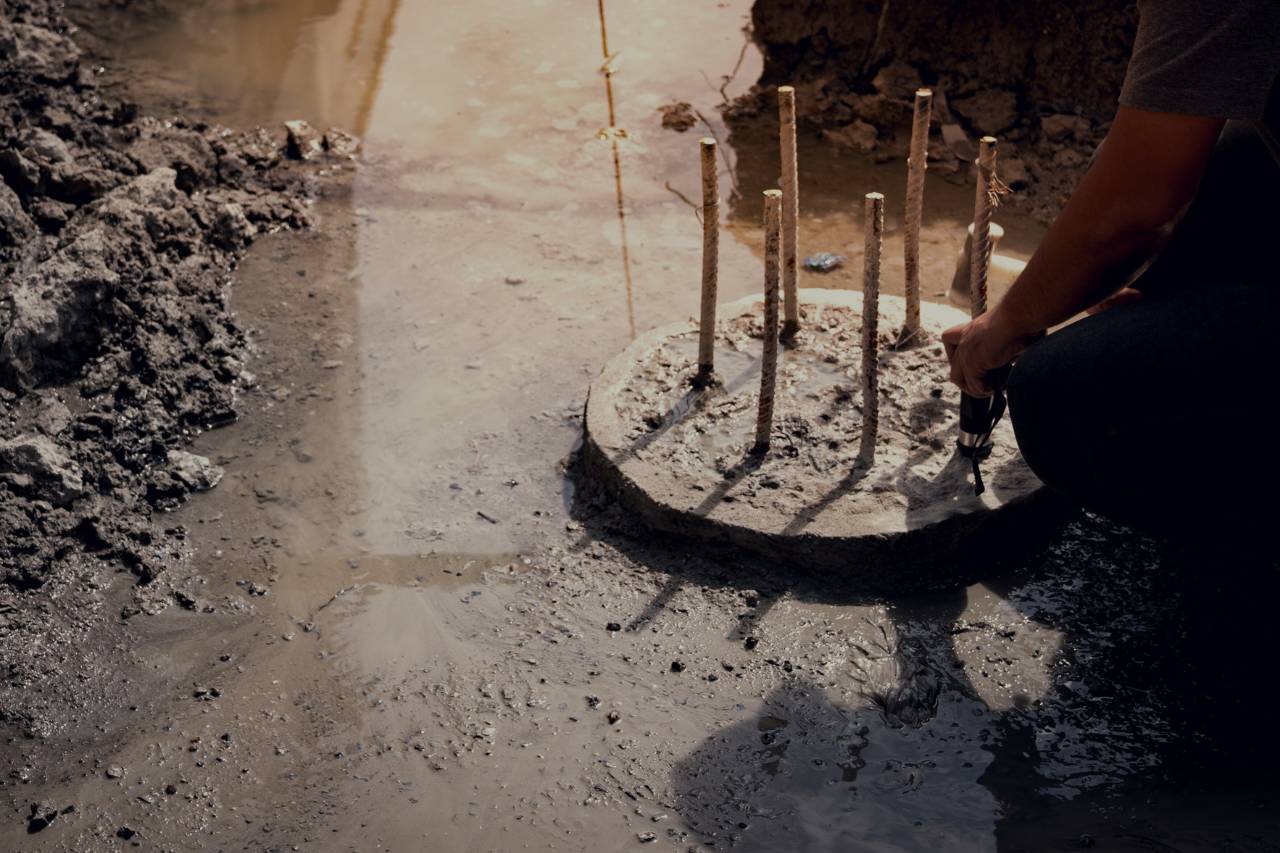
- Boreholes
-
Test pits
-
Cone Penetration Testing (CPT)
-
Seismic and geophysical tests
-
Groundwater monitoring
📋 2. Soil and Rock Testing
Samples are taken to a lab to test:

-
Bearing capacity
-
Compressibility
-
Shear strength
-
Moisture content
-
Permeability
-
Swelling potential
🔎 3. Risk Identification
Based on site conditions, the geotechnical team identifies:

-
Areas prone to instability
-
Potential for collapse or settlement
-
Erosion or slope failure risk
-
Groundwater threats
-
Foundation difficulties
📈 4. Risk Ranking and Impact Analysis
Each risk is ranked in terms of likelihood and potential impact on:

-
Safety
-
Budget
-
Structural integrity
-
Construction timelines
💼 5. Risk Mitigation Recommendations
Finally, engineers recommend steps to minimise or manage each risk:

-
Deep foundations or piles
-
Soil stabilisation
-
Drainage improvements
-
Retaining structures
-
Alternative building layouts
This becomes part of your project planning documentation and is used to inform design, costing, and approvals.
🧱 When Should a Geotechnical Risk Assessment Be Done?
The best time to conduct this assessment is during the early planning or pre-design phase; before you commit to layouts, budgets, or timelines.
🕒 Key project stages where it fits in:
-
Land acquisition: Helps determine if the site is suitable.
-
Conceptual design: Informs architects and engineers.
-
Tendering and budgeting: Prevents surprise costs down the line.
-
Before construction: To validate and finalise structural plans.
Early insight = better decisions + fewer surprises.
🏗️ Who Needs Geotechnical Risk Assessment in South Africa?
Almost every type of construction project benefits from this; especially when soil behaviour is unpredictable.
✅ Recommended for:
-
New residential developments
-
Schools, hospitals, public buildings
-
Commercial or retail centres
-
Bridges, roads, and civil infrastructure
-
Water tanks, silos, and large equipment foundations
-
Retaining walls and cut/fill platforms
-
Basements and below-ground structures
Even renovations or extensions in problem soil zones can require it.
💸 How Much Does It Cost?
Prices vary depending on site complexity, accessibility, and the depth of investigation required.
💰 Estimated range:
| Project Type | Estimated Cost (ZAR) |
|---|---|
| Small residential site | R8,000 – R20,000 |
| Medium commercial site | R25,000 – R60,000 |
| Complex infrastructure or dolomitic land | R70,000 – R150,000+ |
Think of it like insurance; not just for your structure, but for your budget, compliance, and peace of mind.
📜 Regulatory Requirements in South Africa
South African legislation and building codes increasingly recognise the importance of geotechnical input. In many areas, municipal councils won’t approve your plans without a geotechnical report, especially in dolomitic zones or sloped land.
Relevant standards and policies:
-
SANS 10400 (National Building Regulations) – Part F covers site preparation and ground conditions.
-
NHBRC Guidelines – Require geotechnical reports for all new housing developments.
-
Dolomitic Land Use Guidelines – Mandate geotechnical and geohydrological risk assessments before development.
Failure to comply can lead to rejected plans, insurance issues, and legal liability if something goes wrong.
👷 How to Choose a Qualified Geotechnical Consultant
Not all engineers are created equal — and not all are qualified to conduct risk assessments.
✅ What to look for:
-
Registered with ECSA (Engineering Council of South Africa)
-
Specialised experience in geotechnical engineering
-
Familiarity with local ground conditions
-
Proven track record in similar project types
-
Ability to work alongside architects, structural engineers, and contractors
At Mimiti, we work with highly qualified geotechnical professionals who understand both the science and the local reality of South African construction.
🧩 Integrating Risk Assessment into Project Planning
Geotechnical risk assessment should never be seen as a standalone service. It works best when integrated with:
-
Architectural design
-
Structural engineering
-
Civil planning
-
Environmental assessments
-
Stormwater and drainage planning
When geotechnical findings guide these disciplines early on, your project becomes smarter, safer, and more cost-effective.
📌 Final Thoughts: Build from the Ground Up (Safely)
There’s an old saying in construction:
“The strength of any building lies in its foundation — and the strength of the foundation lies in the soil.”
In South Africa, where we face unique geological challenges and climate extremes, geotechnical risk assessment isn’t optional — it’s essential.
Whether you’re building a modest home or a multi-million rand development, investing in proper geotechnical engineering at the start will save you money, time, and headaches in the long run.




0 Comments