


We’ve come a long way from the days when “modern” electrical installations meant adding a few extra plug points. In 2025, smart homes are leading a full-on revolution, and it’s transforming how South Africans design, install, and upgrade their home electrical systems.
With everything from voice-controlled lighting to automated security, electrical installations in today’s homes are not just about power; they’re about connection, efficiency, and intelligent living.
So what does this mean for you, the homeowner, renovator, or builder in South Africa? Let’s dive into how smart homes are reshaping the future of electrical work and how to stay ahead of the curve.
Why Smart Homes Are On the Rise in South Africa
Smart homes were once seen as a luxury for high-end properties. But in 2025, technology is more accessible, affordable, and essential than ever, especially in South Africa, where load-shedding, energy costs, and security are top concerns.
Here’s why South Africans are embracing smart home tech:
✔ Power control during load-shedding
✔ Remote monitoring for safety and convenience
✔ Energy efficiency and cost savings
✔ Increased property value
✔ Better management of solar systems, inverters, and backup power
All of this starts with ; you guessed it — smart, future-ready electrical installations.
How Electrical Installations Are Evolving in 2025
To accommodate smart devices, today’s electrical systems need to be more than just functional. They need to be strategically designed, digitally integrated, and future-proof.
Here’s how the landscape is changing:
1. Structured Wiring is Now a Must-Have
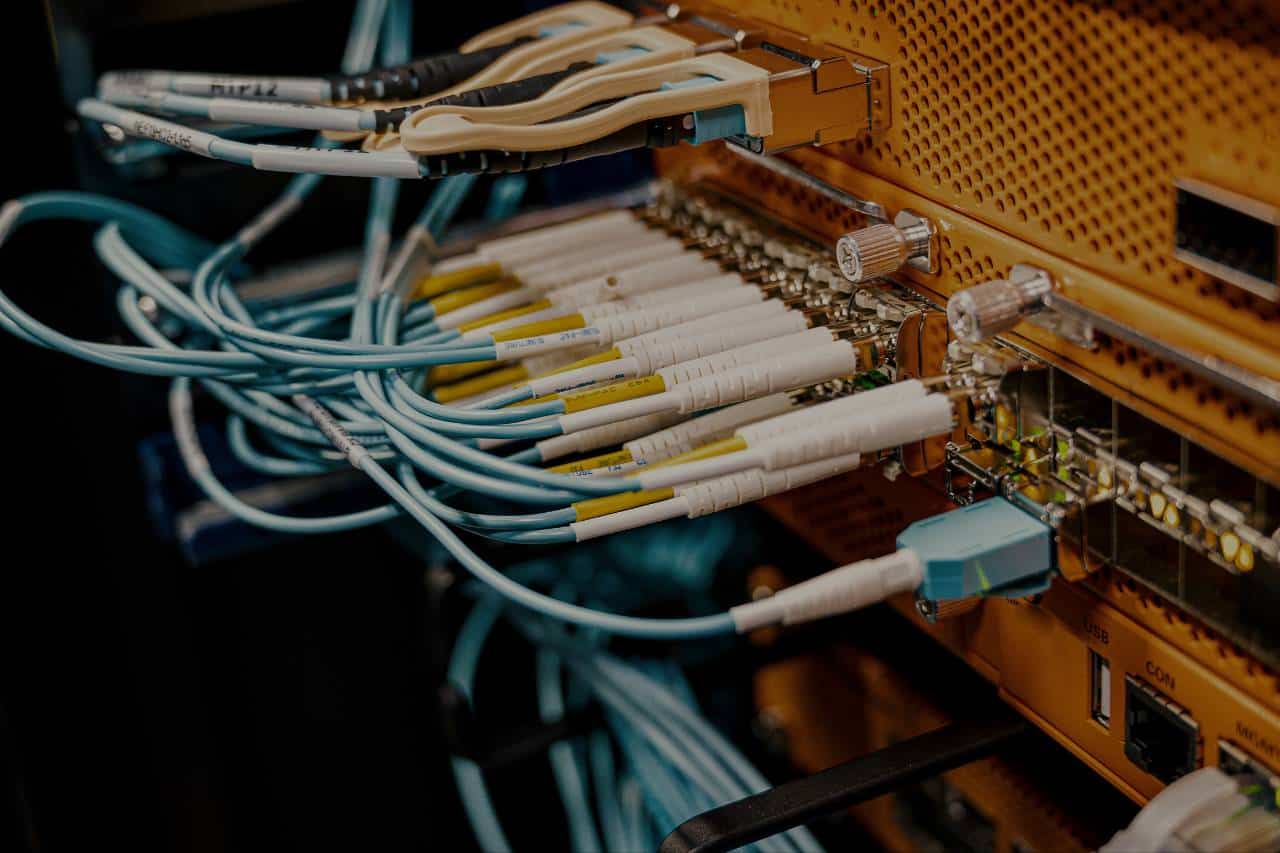
In a traditional home, electricians run basic wiring for lights, plugs, and appliances. But in a smart home, it’s all about structured wiring; organised, high-performance cabling systems that handle data, audio, video, and automation.
📡 What’s included in structured wiring?
-
Ethernet (Cat6/Cat7) for smart devices and internet
-
HDMI and AV cabling for home theatres
-
Speaker wiring for distributed audio
-
Control cables for lighting, blinds, security, etc.
🛠 Why it matters:
Structured wiring ensures reliable connectivity, reduces signal interference, and makes it easier to upgrade tech down the line.
💡 Tip: Plan your wiring with your electrician before walls are plastered — it saves time and cost!
2. More Circuits, More Control
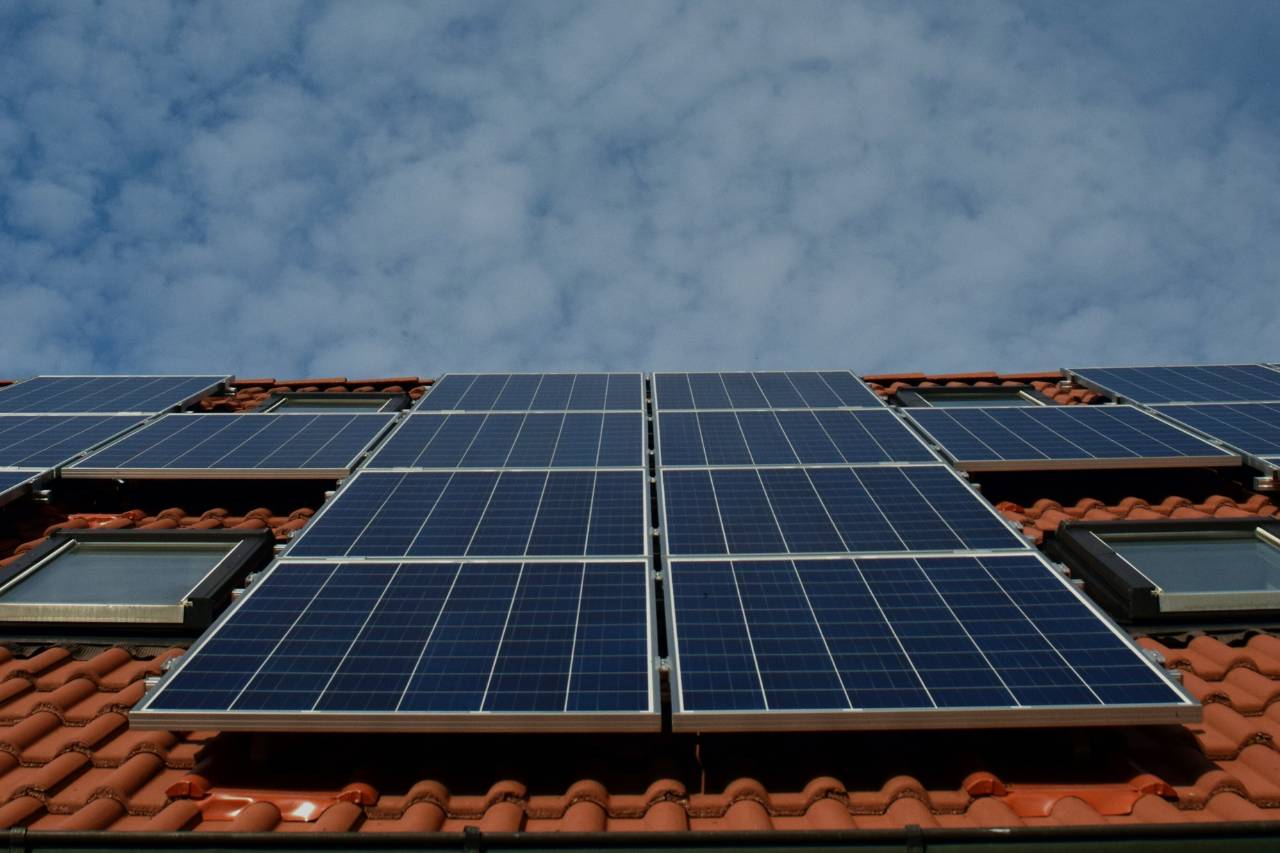
Smart homes need dedicated circuits for different systems:
⚡ Examples include:
-
Smart geysers
-
Automated gates and garage doors
-
Security systems
-
Solar and battery backup
-
Inverter circuits
-
Lighting zones
This allows homeowners to isolate and control these systems independently — either manually or via mobile apps.
3. Smart Lighting Systems Are the New Normal
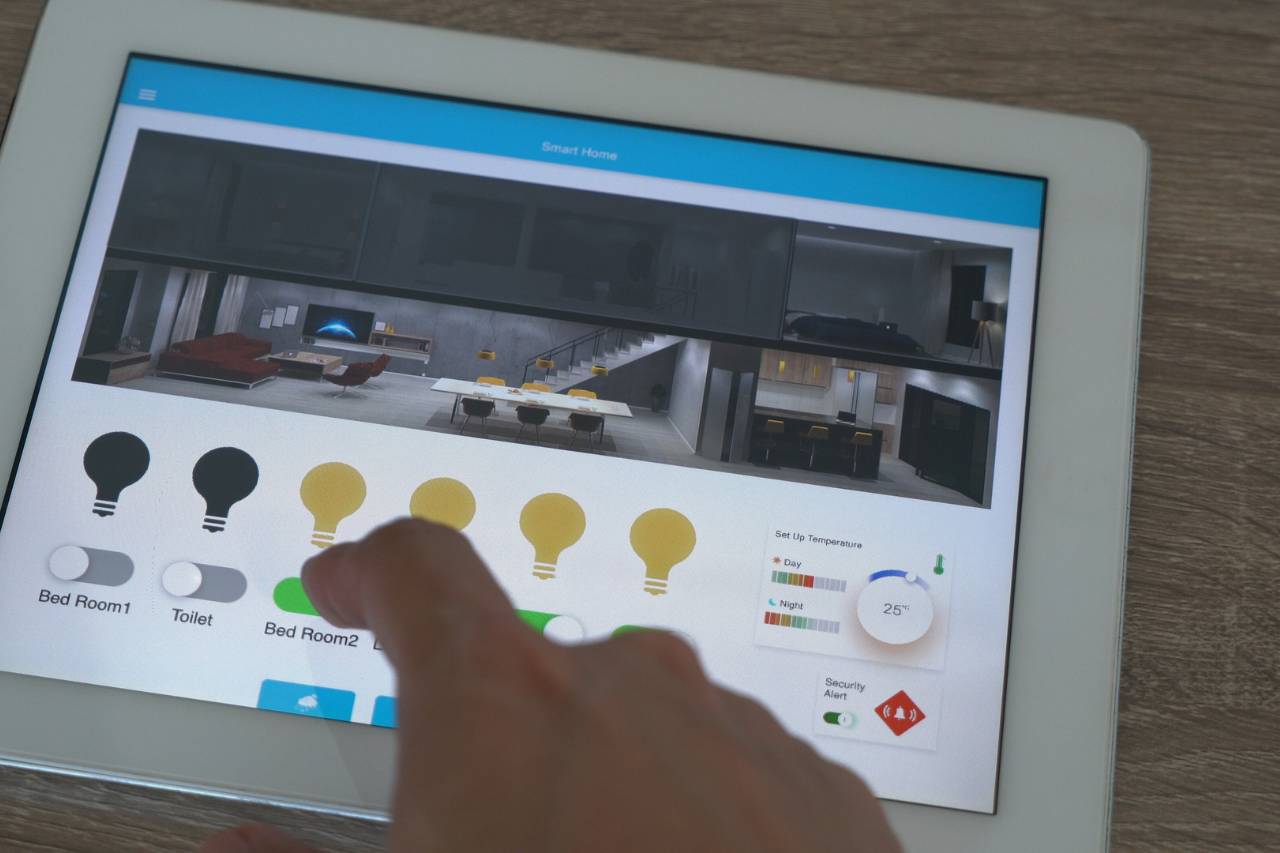
Gone are the days of a simple on/off switch. In 2025, South African homeowners are embracing automated lighting that can be:
-
Dimmable by voice or app
-
Scheduled based on sunrise/sunset
-
Zoned by room or mood
-
Integrated with motion sensors for energy savings
💡 Popular brands include:
-
Philips Hue
-
Sonoff
-
Zigbee/Z-Wave systems
🎯 Electricians now install smart switches, neutral wires, and compatible fittings to accommodate these systems.
4. Surge Protection & Load-Shedding Planning Are Essential
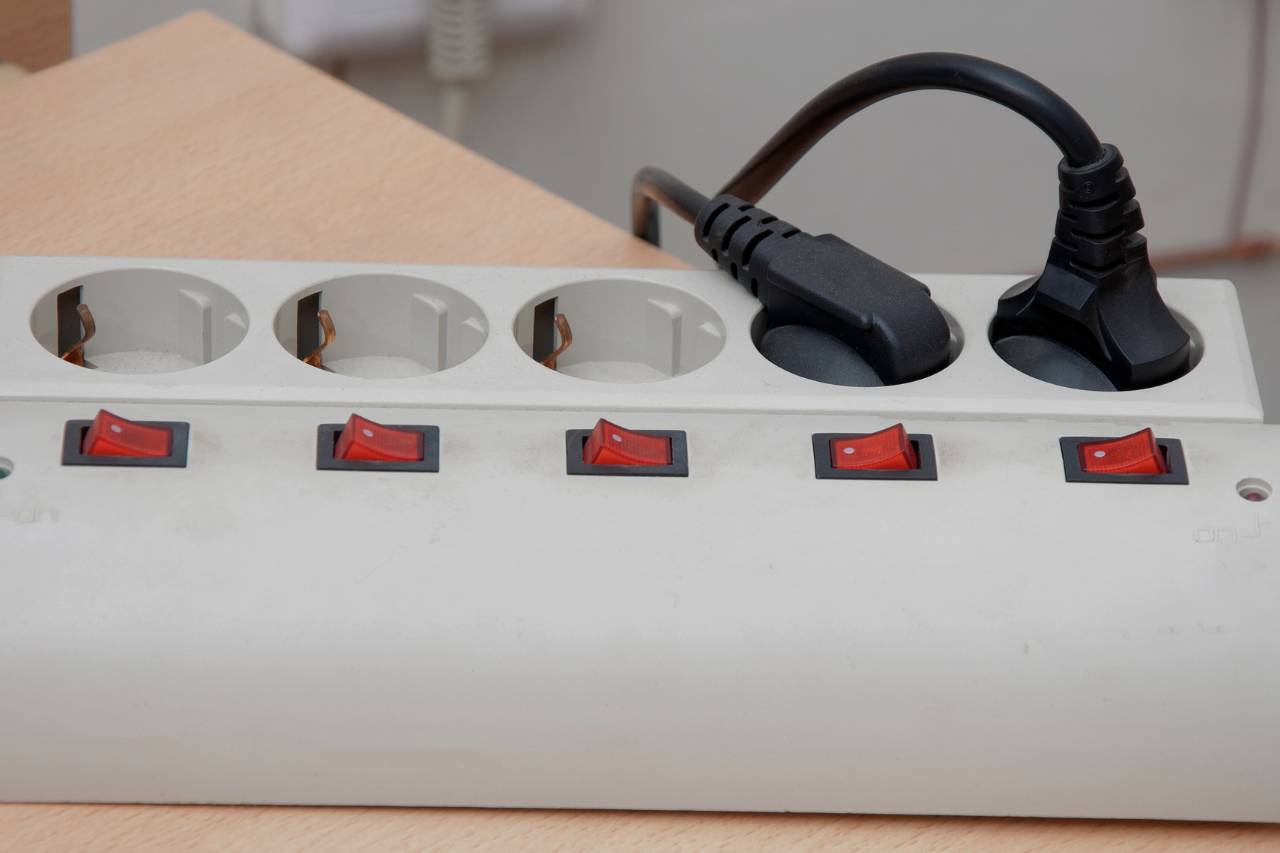
With frequent load-shedding and unstable grid power, protecting smart devices is critical.
🔌 Key upgrades for smart homes:
-
Surge protection devices (SPD) at the DB board
-
Dedicated inverter circuits for backup
-
Generator or solar integration with auto-switching
-
Battery backup systems for Wi-Fi, alarms, and automation hubs
💬 South African Tip: Work with an electrician who understands inverter-compatible wiring and DB panel upgrades — not all do.
5. Wi-Fi Dependency Requires Better Network Planning
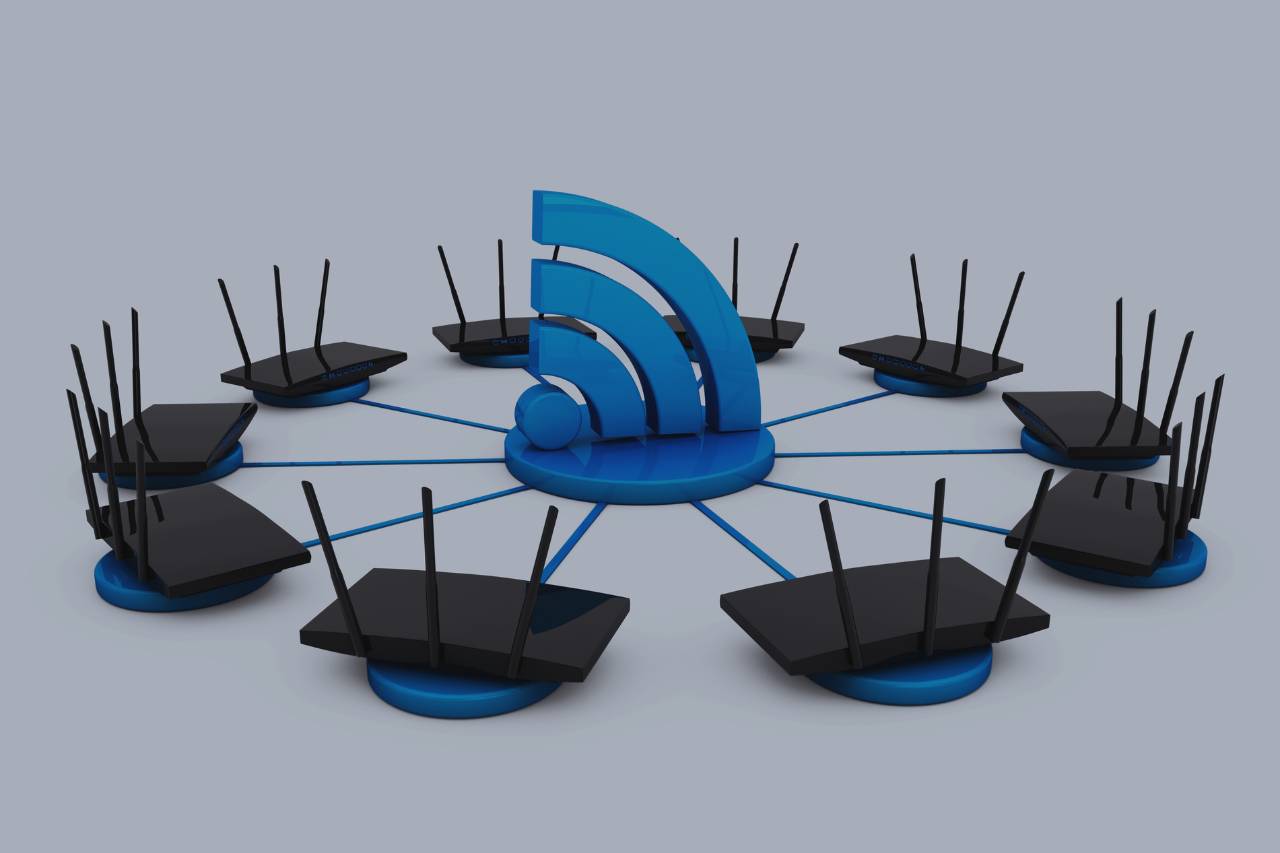
Most smart systems — lighting, cameras, alarms — run via Wi-Fi. That means a strong, stable home network is no longer optional.
🛜 How electricians support this trend:
-
Install network points throughout the house
-
Add power outlets for Wi-Fi extenders or mesh nodes
-
Cable management for routers, boosters, and smart hubs
-
Provide UPS power to routers to stay online during outages
✔ Structured cabling allows your electrician to hardwire critical devices, reducing lag and downtime.
6. Energy Monitoring and Smart Meters
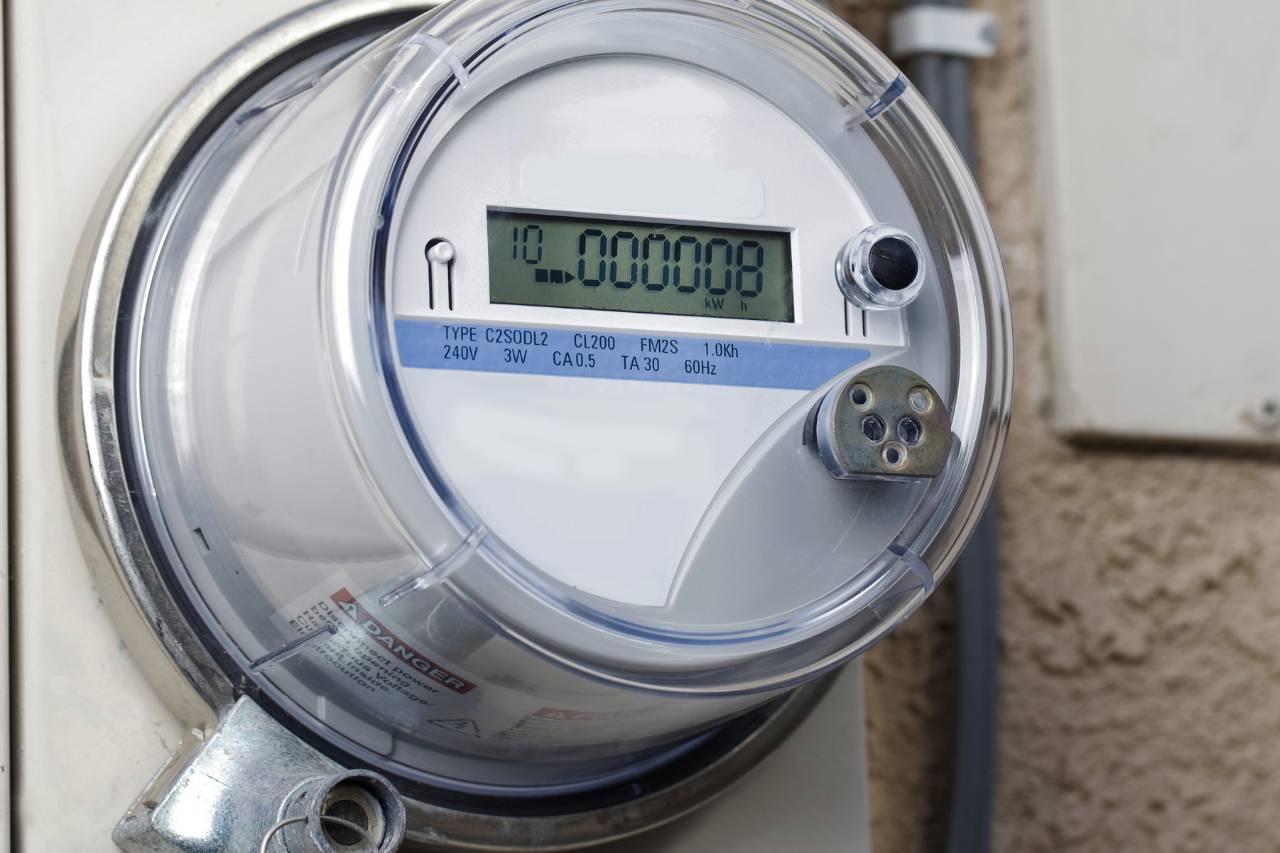
In a world of rising energy costs, smart homeowners want to track, monitor, and optimise their power use.
🔍 Electricians now install:
-
Smart energy meters that send usage reports to your phone
-
Load-balancing systems that switch off non-essential appliances
-
Geyser controllers and pool pump timers
-
Prepaid smart meters for tenants in multi-dwelling properties
🌿 Eco-conscious? These systems help reduce consumption and support solar optimisation.
7. Security Integration is Now Part of Electrical Design

Security is a huge priority in South Africa, and smart homes allow for integrated, app-based security systems — but only if the wiring is planned upfront.
🔐 Smart security electrical installations include:
-
CCTV camera power points
-
Intercom and access control wiring
-
Alarm system loops and backup battery connections
-
Gate and garage automation wiring
-
Door and window sensors
✔ Your electrician now works closely with security professionals to deliver a cohesive, fully wired security setup.
8. Smart Kitchens and Bathrooms Need More Power & Planning
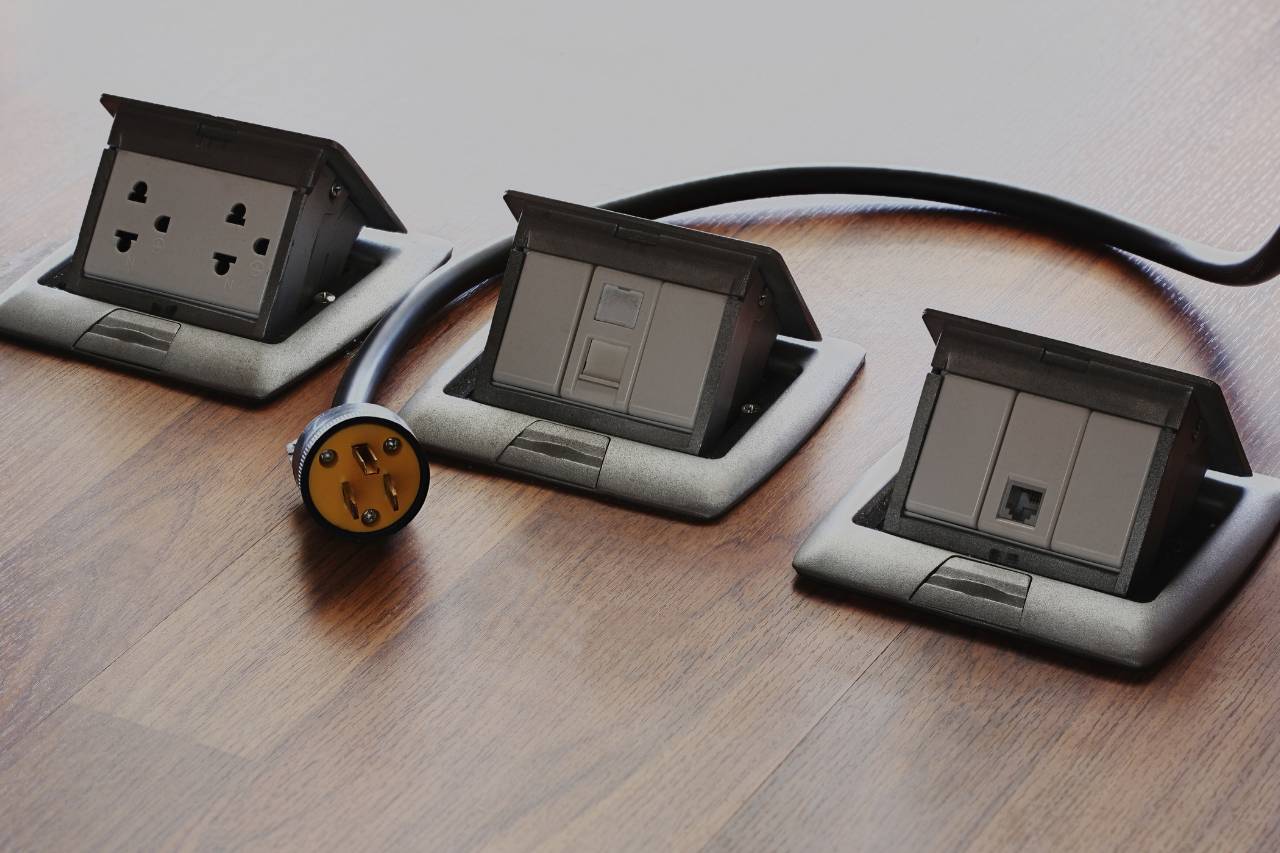
Appliances are smarter and hungrier for power — than ever. Think smart ovens, touchless taps, built-in coffee stations, and even voice-activated mirrors.
🔌 Electricians must plan for:
-
Higher wattage circuits
-
More plug points with USB and Type C outlets
-
Hidden wiring for mounted devices
-
Waterproof smart fittings for bathrooms and outdoor kitchens
💡Design Tip: Ask your electrical contractor about recessed pop-up sockets for islands and counters — functional and sleek!
Benefits of Smart Electrical Installations in South Africa
✅ Future-Proofing – Your home is ready for whatever tech comes next
✅ Energy Efficiency – Use less power, save more money
✅ Enhanced Security – Stay safer with smart alarms and monitoring
✅ Resilience Against Load-Shedding – Better power backup and control
✅ Convenience & Comfort – Hands-free living at your fingertips
✅ Property Value – Smart homes fetch a higher resale price
Challenges to Watch For (And How to Overcome Them)
🛠️ Cost:
Smart systems often cost more upfront — but you save over time through efficiency and reduced maintenance.
🛠️ Compatibility:
Not all systems “talk” to each other. Choose brands with open integration (Zigbee, Z-Wave, or Google/Alexa-friendly).
🛠️ Poor Installation:
Bad wiring or incorrect setups can limit system functionality. Always use an electrician trained in smart installations.
🛠️ Network Downtime:
Smart systems rely on Wi-Fi — invest in network stability (UPS, fibre, mesh systems) and backup power for routers.
FAQs About Smart Home Electrical Installations
Q1: Can I upgrade my current electrical system to support smart tech?
💬 Yes! Many smart upgrades can be retrofitted, but a full smart home setup may need rewiring or a DB board upgrade.
Q2: Do I need an electrician to install smart home devices?
💬 Absolutely. For anything beyond plug-and-play devices, like smart switches, lighting circuits, or inverter setups, a licensed electrician is essential.
Q3: What’s the best smart home system for South Africa?
💬 It depends on your needs, but systems that support localised load-shedding management, solar integration, and energy tracking are ideal.
Q4: Will smart home systems increase my electricity bill?
💬 They actually help reduce it by optimising usage and turning off appliances when not in use.
Final Thoughts: The Future of Electrical Installations Is Smart
Smart homes are no longer a futuristic fantasy — they’re here, they’re evolving, and they’re transforming how electrical systems are designed and installed. For South African homeowners, integrating smart features into new builds, renovations, or upgrades is a wise move toward comfort, efficiency, and long-term value.
And it all starts with smart electrical planning.
Whether you’re building from scratch or upgrading your current setup, let Mimiti’s professional electricians guide you through the design, installation, and future-proofing of your smart home.




0 Comments