

Introduction
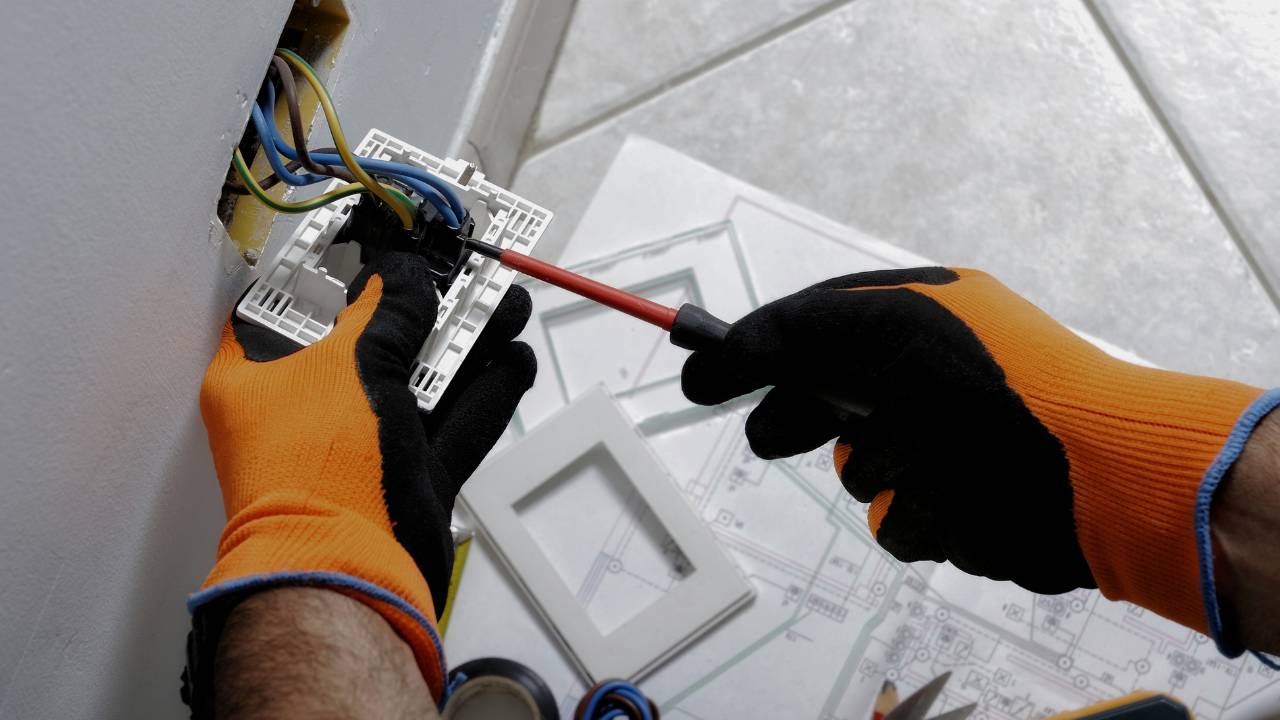
Electricity powers almost everything in our homes; from kitchen appliances and geysers to Wi-Fi routers and security systems. But like everything else, electrical systems age and deteriorate over time. If your wiring is outdated, damaged, or simply overloaded, it could pose serious risks to your safety, property value, and insurance coverage.
In South Africa, where older homes are common in suburbs like Randburg, Claremont, and Durban North, electrical rewiring is a crucial maintenance task many homeowners overlook… until something goes wrong.
If you’re wondering whether it’s time to call a professional, here’s everything you need to know about the signs that your home may need electrical rewiring. 🏡⚡
Why Electrical Rewiring Matters
Before we jump into the warning signs, let’s quickly understand why electrical rewiring is a big deal:
✔ Safety: Old or faulty wiring can cause fires, electrocution, and appliance damage.
✔ Compliance: South African law requires a valid Electrical Certificate of Compliance (CoC) for property sales — and outdated wiring won’t pass.
✔ Efficiency: Modern wiring supports today’s energy demands — think of all the devices that didn’t exist 30 years ago!
✔ Insurance: Insurers may reject claims if poor or outdated wiring contributed to a fire or damage.
Bottom line: If your wiring is past its prime, rewiring isn’t optional — it’s essential.
10 Signs Your Home Needs Electrical Rewiring
Let’s break down the top indicators every South African homeowner should watch for:
1. Frequent Circuit Breaker Trips
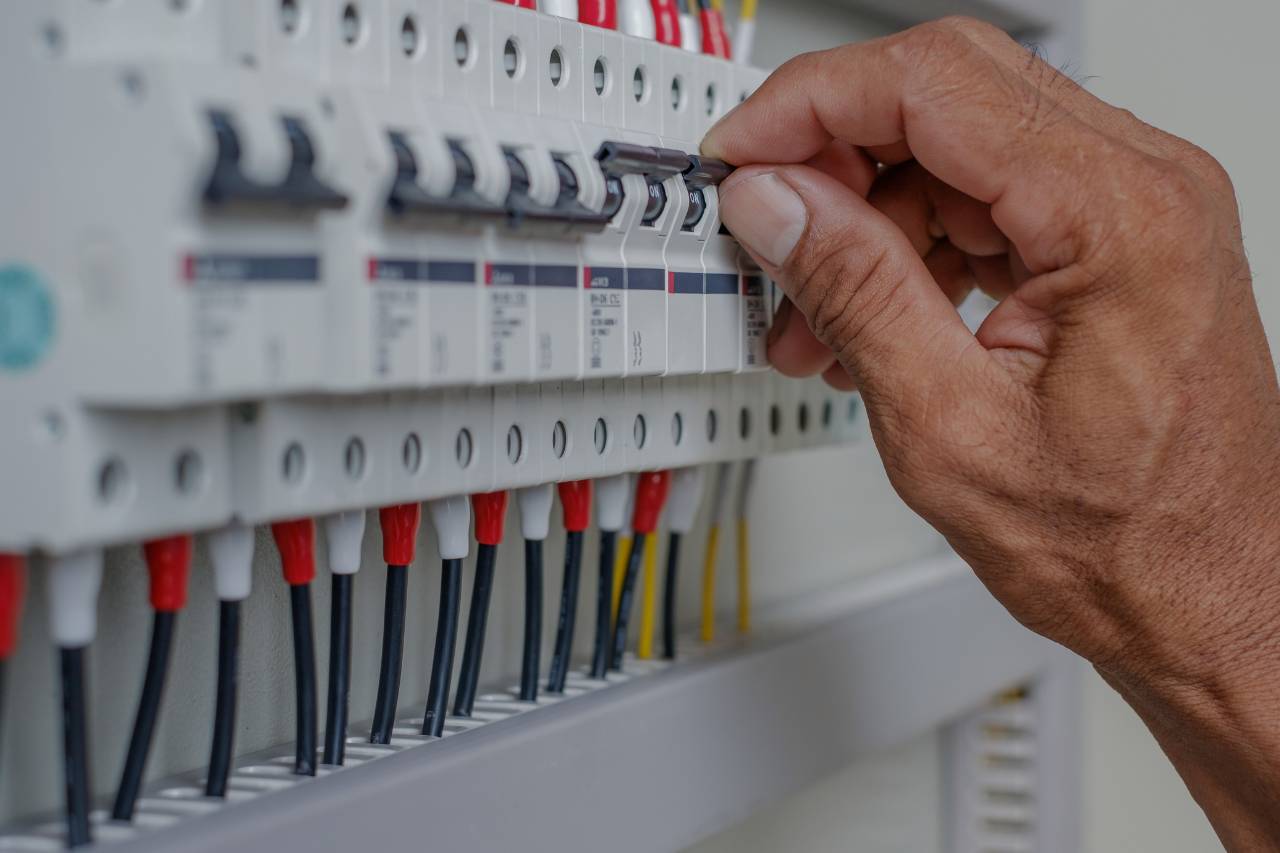
If your DB board (distribution board) trips often — especially when using multiple appliances — it’s a clear sign your system is struggling.
🚩 What’s happening?
Old wiring wasn’t designed for the power demands of modern households filled with kettles, microwaves, heaters, and smart TVs.
Local Tip:
If you’re dealing with constant tripping after plugging in high-wattage appliances, it’s time to call an electrician for an inspection.
2. Flickering or Dimming Lights

If your lights dim when you turn on another appliance (like a heater or washing machine), it’s often due to worn or inadequate wiring.
🚩 What’s happening?
Electrical surges or poor wiring connections cause voltage fluctuations that affect lighting circuits.
3. Burning Smells or Scorch Marks
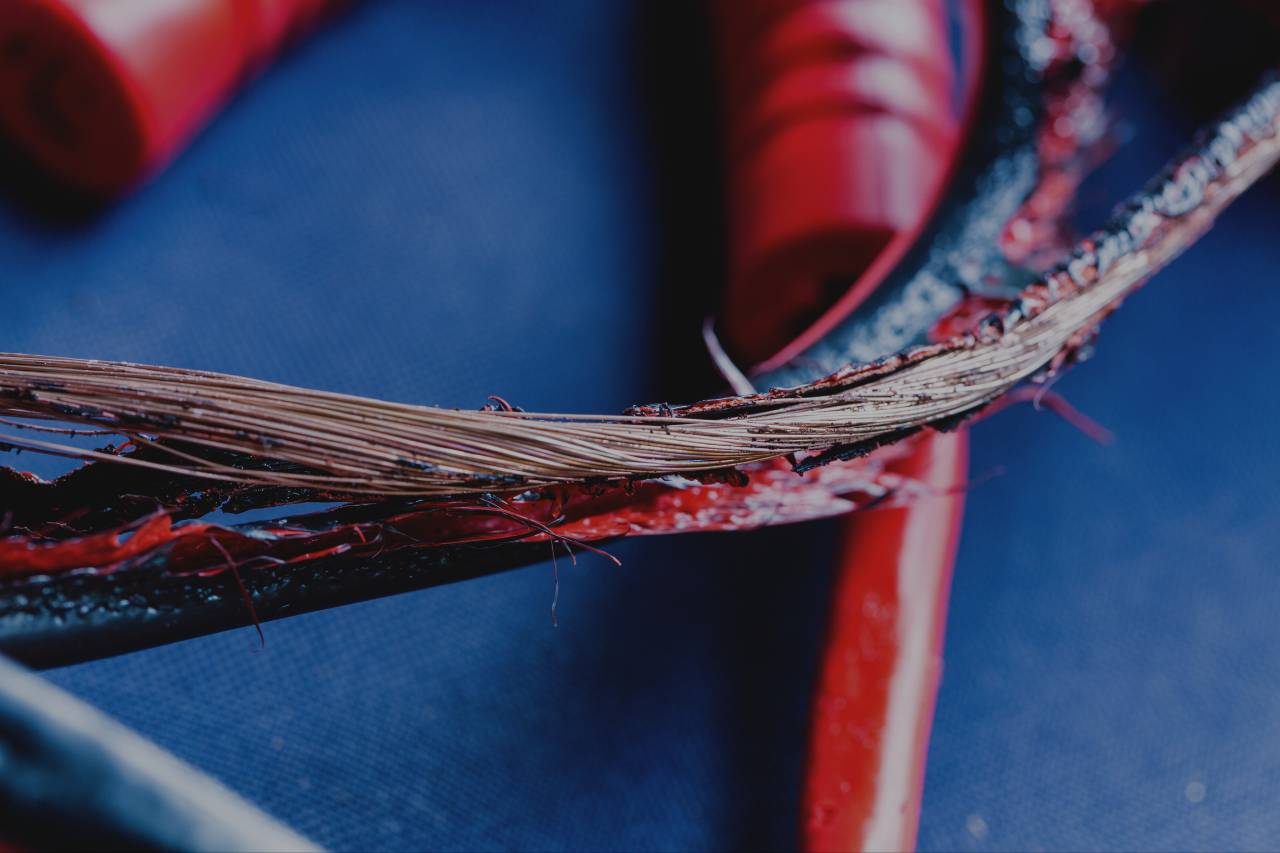
A persistent burning smell — even if faint — is a serious red flag.
🚩 What’s happening?
It could be overheating wires, arcing connections, or melting insulation behind your walls.
Local Tip:
In Cape Town and Durban’s humid climates, moisture can worsen wiring deterioration, increasing this risk.
✔ Turn off power immediately at the main switch and call a licensed electrician if you smell burning. Do not delay.
4. Outlets and Switches That Feel Warm or Buzz
 Wall sockets and switches should never feel warm, vibrate, or buzz when in use.
🚩 What’s happening?
Faulty wiring, loose connections, or overloading are stressing the system — a leading cause of electrical fires.
5. Old Wiring Materials
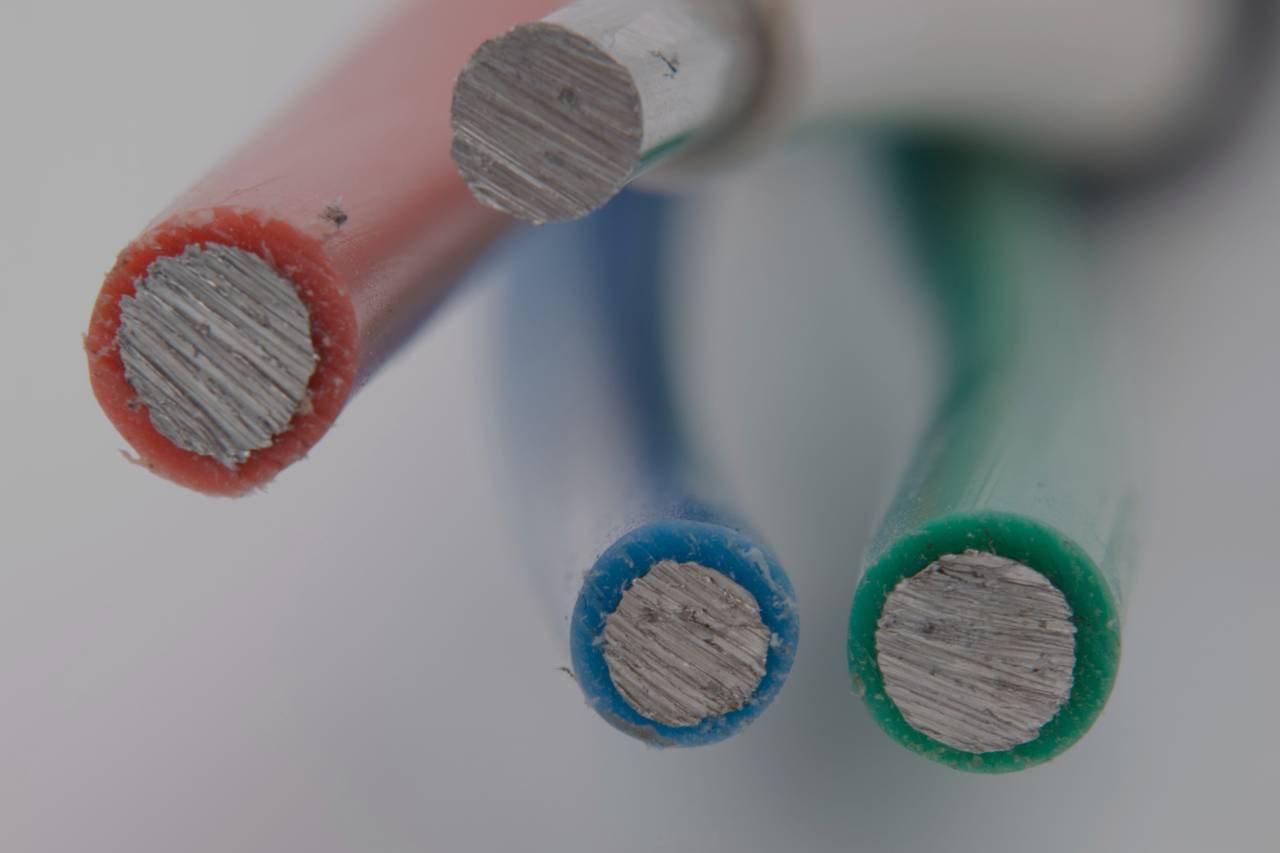
If your home was built before the 1990s and still has its original wiring, there’s a good chance it’s outdated.
🚩 Common old wiring issues in South Africa:
-
Cloth-insulated wiring (prone to decay).
-
Aluminium wiring (overheats more easily than copper).
-
Non-earthed outlets (no ground wire for safety).
✔ An experienced electrician can inspect the system and recommend an upgrade where needed.
6. Limited Outlets and Overuse of Extension Cords

Are you running a spaghetti mess of extension cords, multi-plugs, and adaptors just to power all your devices? 🚫
🚩 What’s happening?
Old homes weren’t designed for today’s tech-heavy lifestyle, leading to dangerous overloading of circuits.
Solution:
Rewiring allows you to add properly spaced outlets throughout your home — safer and far more convenient.
7. Shock When Plugging In Devices
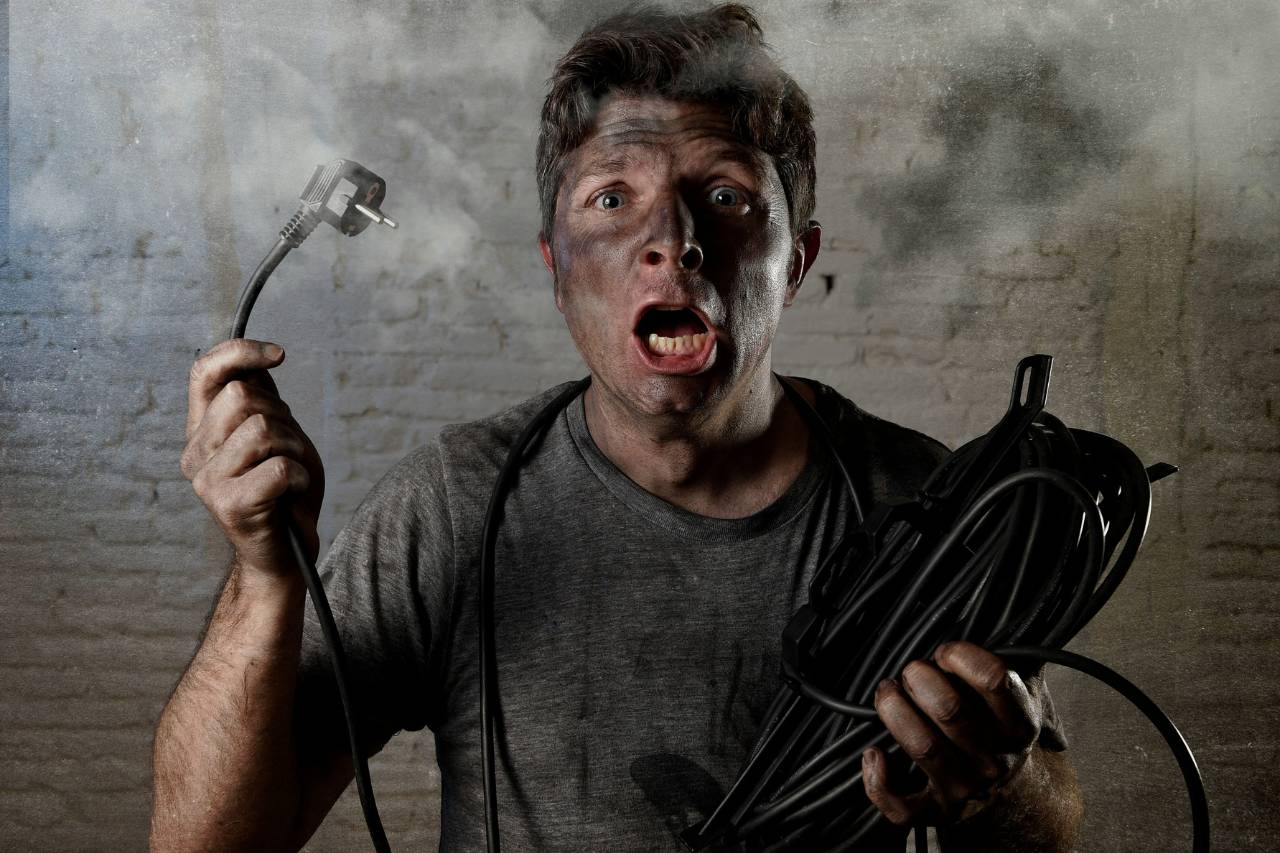
If you feel a zap or mild shock when plugging in appliances, that’s not “just static” — it’s a warning.
🚩 What’s happening?
Faulty, loose, or deteriorated wiring can create live surfaces behind your plug points.
✔ Electrical shocks should never be ignored — they indicate serious grounding problems or wiring faults.
8. Outdated Fuse Boxes Instead of Circuit Breakers
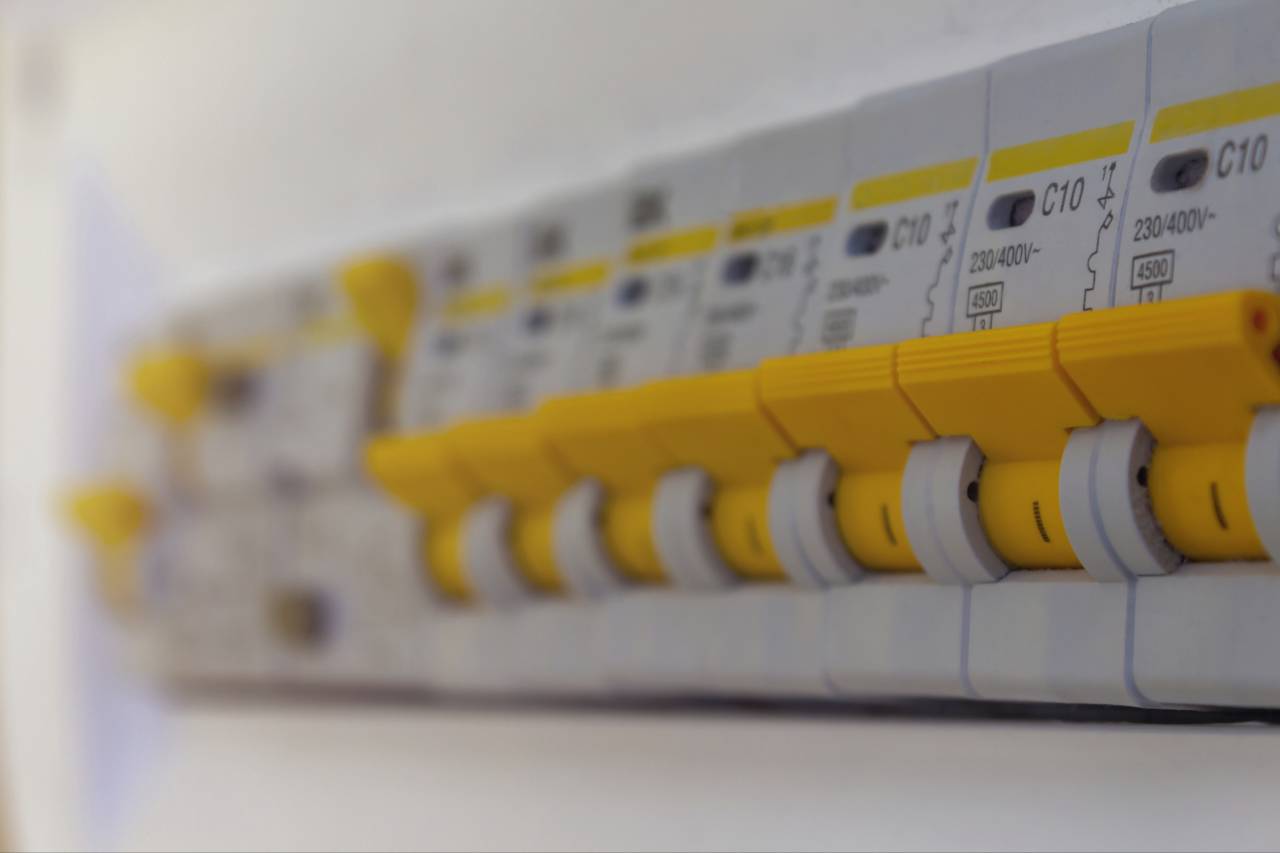
Still rocking an old-school fuse board instead of a modern circuit breaker panel? It’s time for an upgrade.
🚩 Why it matters:
Fuses don’t offer the same fast, reliable protection that modern circuit breakers and earth leakage systems provide.
South African Tip:
A valid Certificate of Compliance requires a compliant, modern DB board — no exceptions.
9. Blackened or Discoloured Switches and Plugs
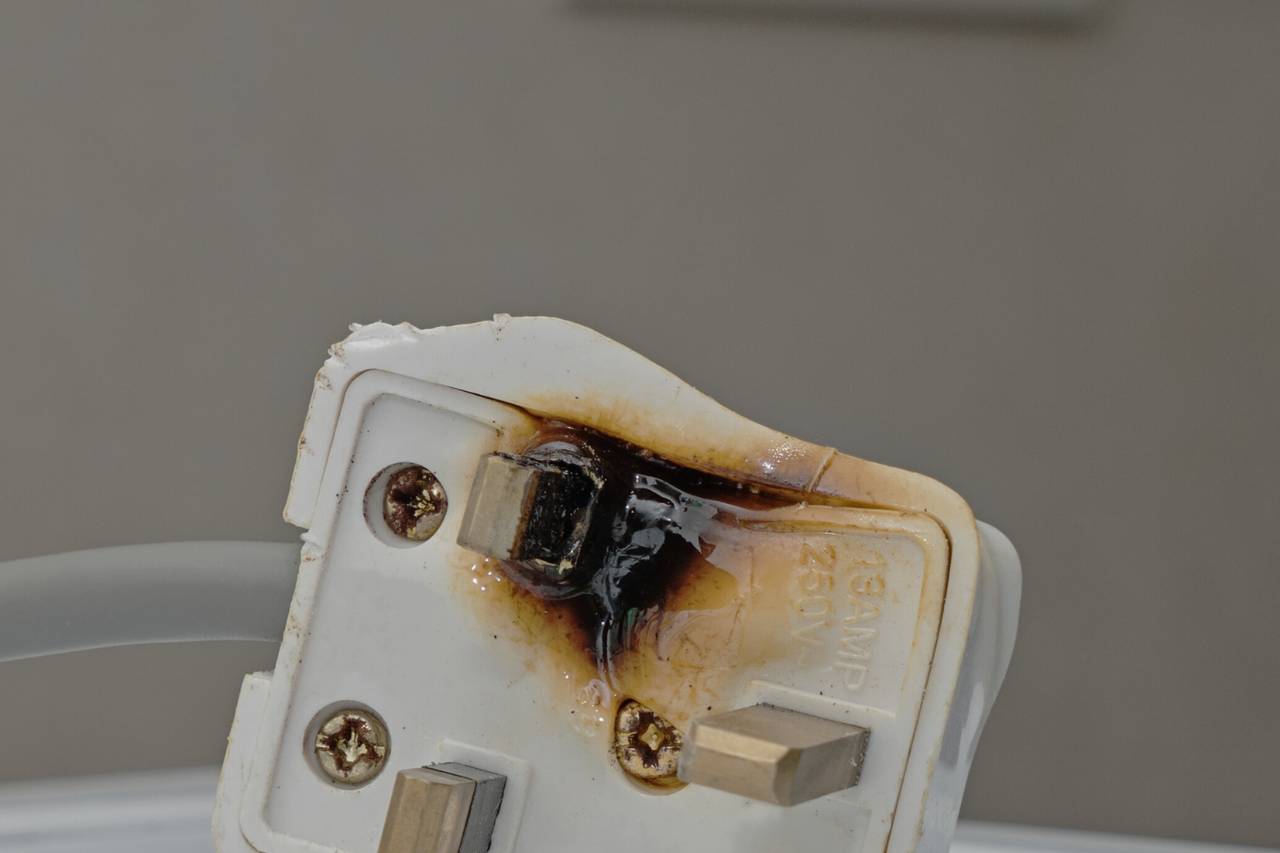
If your switches or plug outlets show signs of dark discolouration, soot, or charring — that’s evidence of heat damage.
🚩 What’s happening?
Loose wiring or overloaded circuits are causing tiny internal fires or dangerous overheating.
10. Renovations, Extensions, or New Appliances
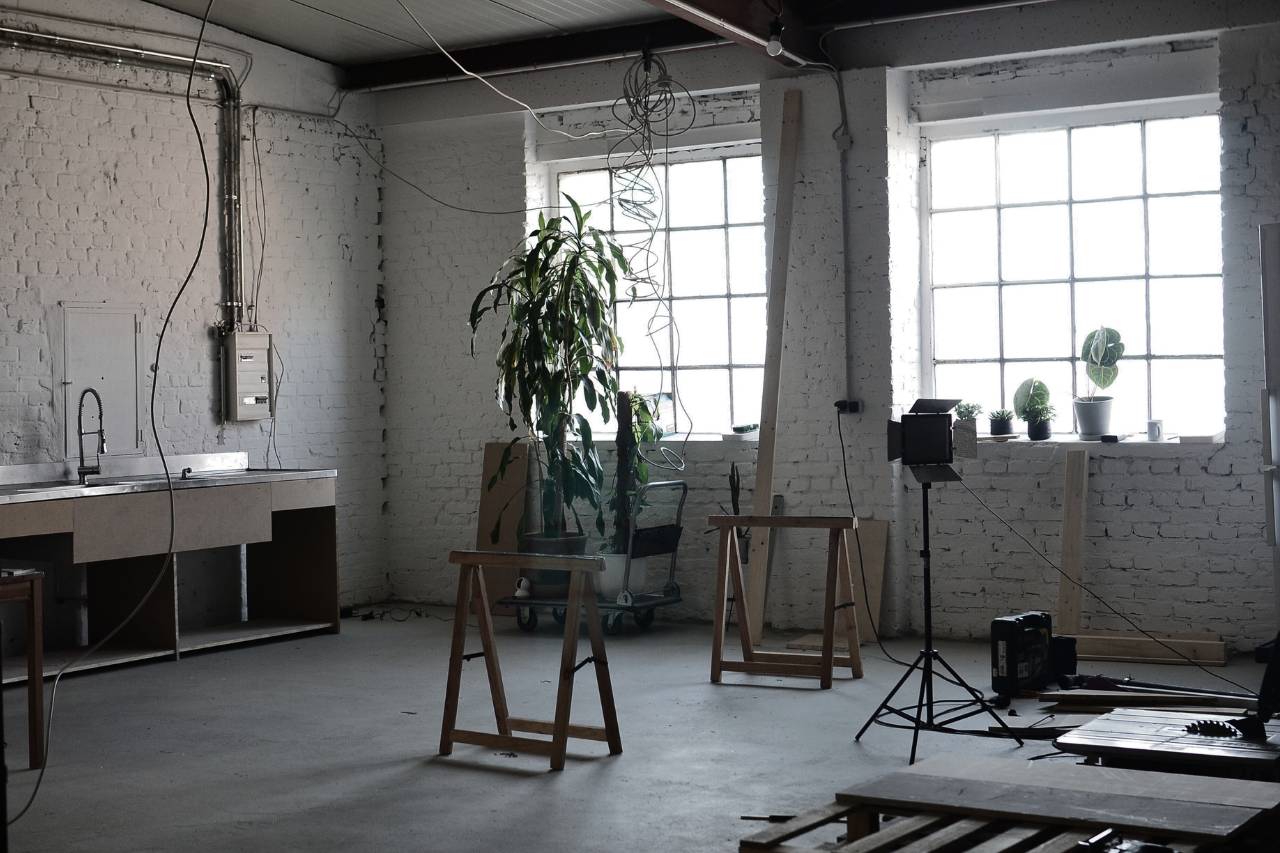
Planning a big home renovation, a granny flat extension, or installing high-powered appliances like air conditioners or new geysers?
🚩 Why it matters:
Your existing wiring may not have the capacity to handle the new load safely — even if you’ve never had obvious problems before.
✔ A good electrician will evaluate your system before renovations and recommend electrical rewiring if needed.
How Much Does Electrical Rewiring Cost in South Africa?
💰 Typical costs range between R750 – R1,200 per point (plug, light, switch) for a full house rewire, depending on:
-
House size
-
Type of wiring needed
-
Number of points/outlets
-
Accessibility (single-storey vs double-storey)
For a 3-bedroom house, expect total rewiring costs to start around R40,000 – R80,000, including a new DB board and Certificate of Compliance.
Tip: Always get a detailed written quote from a reputable electrician before starting work!
Why You Should Always Hire a Licensed Electrician
Electrical rewiring is not a DIY job — it’s a serious technical task with safety and legal implications.
✔ Only licensed electricians can issue a Certificate of Compliance.
✔ Professionals know South African wiring codes and safety standards.
✔ Insurers require CoCs for claim validity in case of electrical fires.
Always ask your electrician for:
-
Proof of registration with the Department of Labour.
-
Recent client references.
-
A formal, detailed quotation.
FAQs About Electrical Rewiring in South Africa
Q1: How often should a home be rewired?
💬 Generally, homes should be inspected every 10 years, with rewiring considered every 25–30 years depending on condition.
Q2: Will I have to move out during a rewire?
💬 For full rewiring, it’s often easier and safer to vacate — but partial rewiring or phased work can be done while you stay in, depending on your electrician’s advice.
Q3: Can I just upgrade my DB board without rewiring?
💬 Possibly — but if your wiring is outdated or damaged, upgrading the DB board alone won’t fix deeper safety risks.
Q4: How long does a full house rewire take?
💬 Typically 3–10 days, depending on house size and complexity.
Wrapping Up: Don’t Ignore the Signs
If you notice even one or two of the warning signs we’ve listed, don’t delay — call a professional and schedule an inspection.
Electrical rewiring protects your family, your home, and your investment — and in the long run, it’s far cheaper (and safer) than waiting for something to go wrong.
At Mimiti, our team of licensed electricians specialises in safe, efficient, and compliant electrical rewiring across South Africa. We’ll inspect your system, explain your options clearly, and get the job done with minimal disruption.



0 Comments