


Introduction
When most people think about building a house, a mall, or even a highway, they imagine concrete, bricks, cranes, and maybe a hard hat or two. But what they don’t think about, and should — is what lies beneath it all: the soil.
That’s where geotechnical engineering comes in.
In my experience working with engineers and contractors across South Africa, I have learned that geotechnical work is often one of the most overlooked; yet most critical elements of any construction project.
So, if you’ve ever wondered what “geotechnical engineering” means, or why it matters to a homeowner, business developer, or even a city planner — this article is your friendly, down-to-earth guide. Let’s dig in! 🏗️🌍
What Exactly Is Geotechnical Engineering?

Geotechnical engineering is the branch of civil engineering that deals with the earth’s materials; mainly soil and rock — and how they behave under stress.
It’s about understanding how strong, stable, or risky the ground is before building anything on it.
In South Africa, where we deal with clay soils, dolomitic land, seasonal rainfall, and even sinkholes, understanding the earth beneath your feet can literally make or break your project.
Why Geotechnical Engineering Is So Important in South Africa
Here’s the reality: Not all soil is created equal.
From the dry red earth of the Karoo to the sandy soils of the Western Cape and the unstable dolomite in parts of Gauteng — every site is different. What works in one location could be disastrous in another.
Key local challenges:
-
Dolomitic soils in Gauteng can collapse and create sinkholes if disturbed by poor drainage or leaking pipes.
-
Clay soils in KwaZulu-Natal expand and contract with moisture changes, causing cracking foundations.
-
Loose sandy soils in coastal areas require deep foundations to prevent shifting.
-
Seasonal rainfall can lead to landslides or soil erosion without proper planning.
Without geotechnical input, you risk:
-
Cracked walls and floors
-
Structural failure
-
Water seepage and damp
-
Sinkhole formation
-
Collapsing retaining walls
-
Delays and budget blowouts
So yes, geotechnical engineering is more than just science — it’s risk management.
What Do Geotechnical Engineers Actually Do?
Let’s break it down. Here’s what a geotechnical engineer typically handles on a project:
🔍 1. Site Investigation
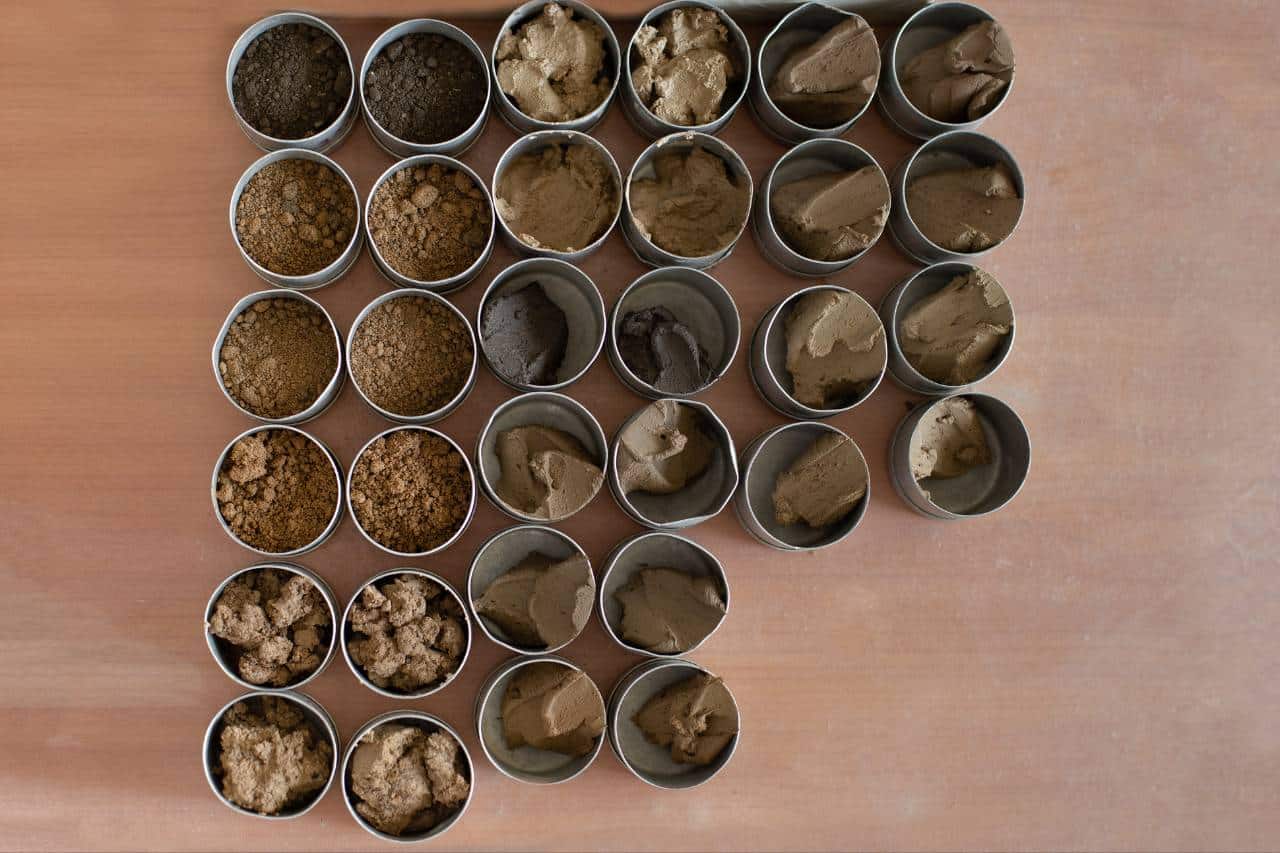 Before anything gets built, engineers test the ground by:
-
Drilling boreholes
-
Taking soil and rock samples
-
Doing lab tests for strength, moisture content, density, etc.
-
Analysing groundwater conditions
These results help create a geotechnical report, which becomes the blueprint for safe, cost-effective foundation design.
🏗️ 2. Foundation Recommendations
 Based on soil type and load requirements, engineers will specify:
-
Shallow foundations (e.g. strip footings)
-
Deep foundations (e.g. piles or piers)
-
Raft foundations (for poor soil)
-
Ground improvement methods (e.g. compaction or grouting)
🚧 3. Slope Stability & Retaining Structures
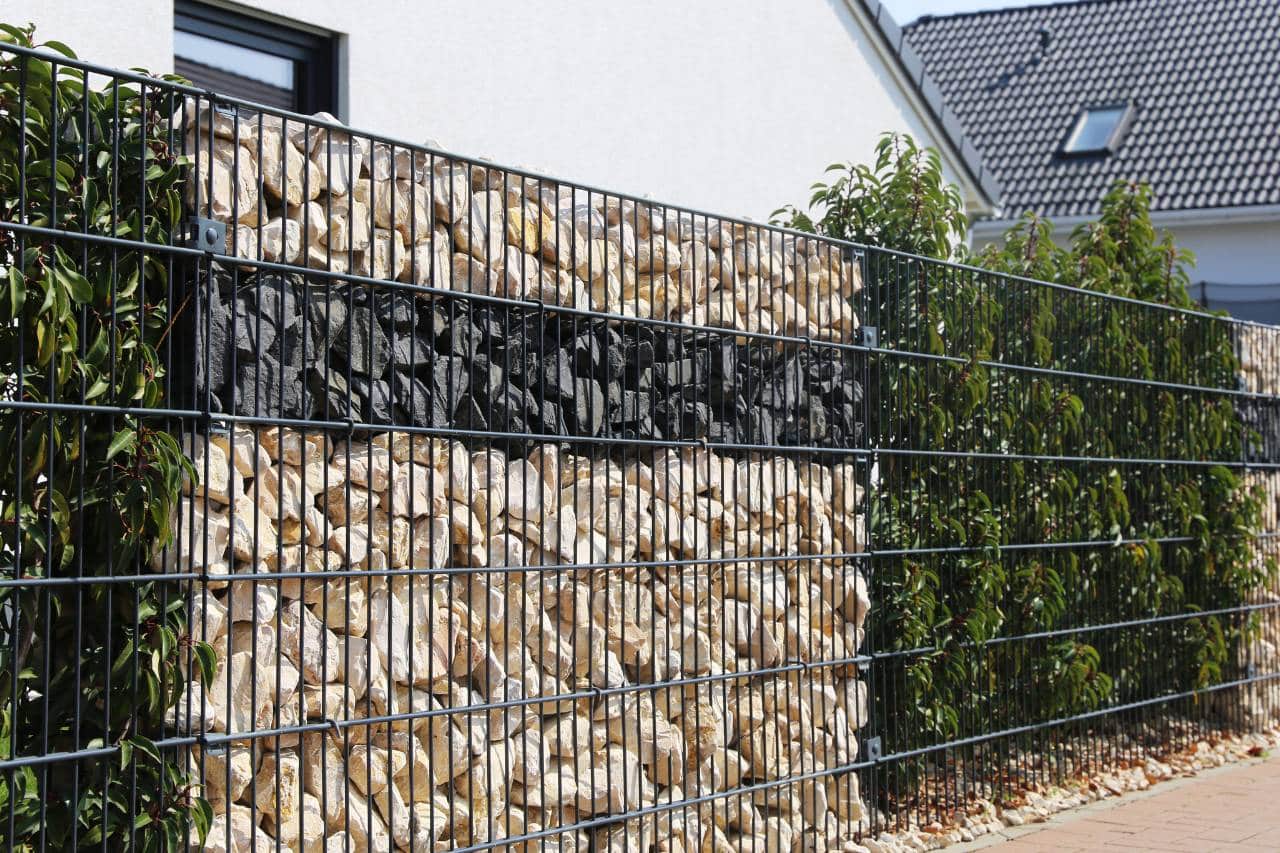 If your site has any kind of slope, they’ll assess landslide risk and recommend:
-
Gabions or reinforced earth
-
Drainage to reduce soil pressure
💧 4. Drainage and Groundwater Control
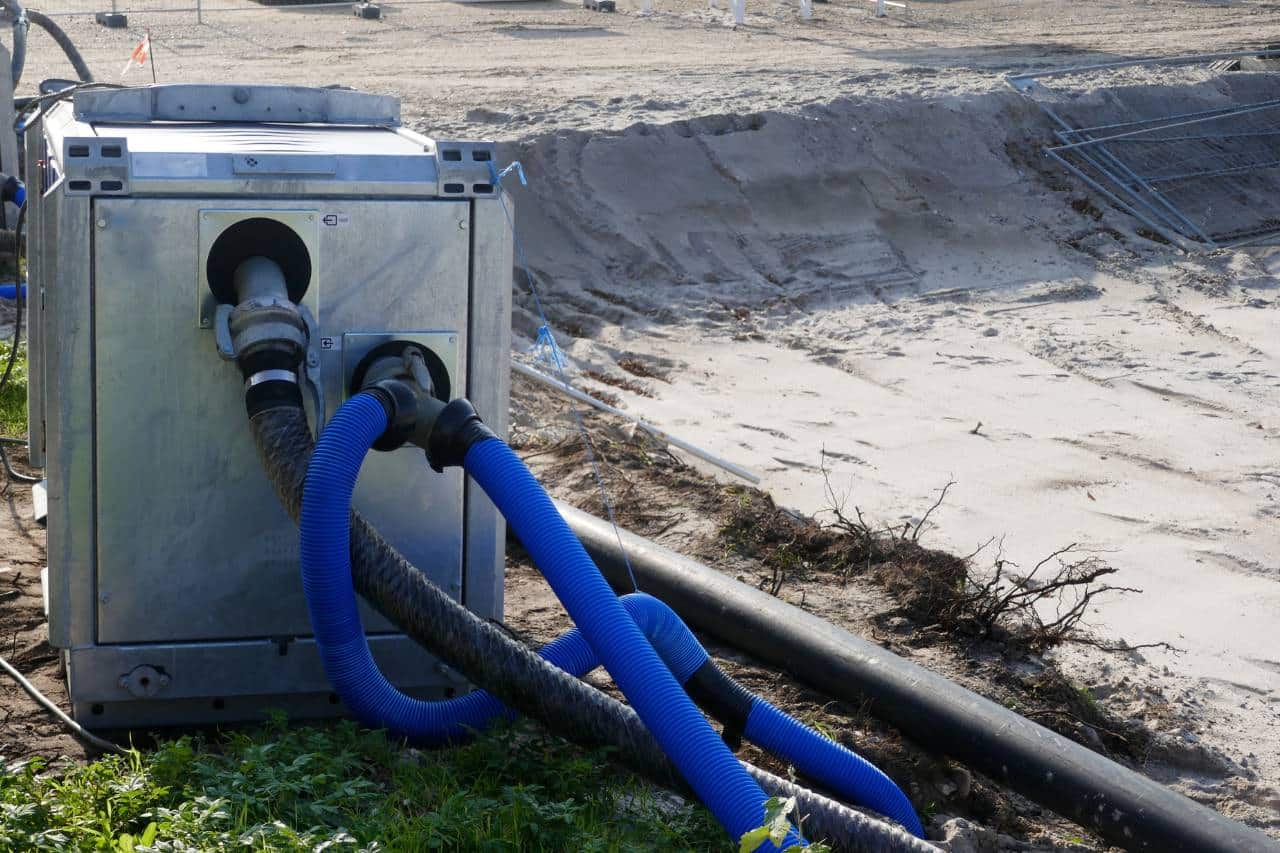 Managing groundwater is critical — especially in flood-prone areas or near dolomite. Engineers will design systems to:
-
Divert surface water
-
Lower groundwater tables
-
Prevent erosion and seepage
🏢 5. Construction Support
 During construction, they may:
-
Monitor soil movement
-
Advise on excavation and compaction
-
Ensure foundations are built as per the specs
How Soil Science Impacts Everyday Homes in South Africa
Think geotechnical engineering is only for big government projects or skyscrapers? Think again.
Here’s how it affects your home:
🧱 1. Your Foundations
Weak soil = weak foundation. That’s how we end up with cracked walls, sloping floors, and doors that won’t close properly.
If you’re building a home or adding a new structure, a soil test can tell you:
-
How deep your foundation needs to be
-
Whether reinforcement is required
-
If special waterproofing is needed
🌧️ 2. Drainage and Flooding
Many homes suffer damp or flooded basements after heavy rain — often because the site wasn’t assessed for drainage. A geotechnical engineer helps manage water around your home so it doesn’t pool or seep in.
🕳️ 3. Dolomite and Sinkholes
Parts of Gauteng (like Centurion, parts of Tshwane, and Krugersdorp) sit on dolomite — a rock that dissolves in water, leading to sinkholes. If you’re building in these zones, geotechnical clearance is mandatory.
The Geotechnical Report: Your Building’s Insurance Policy
Every proper construction project should start with a geotechnical report. Think of it as the “X-ray” of your land.
A typical report includes:
-
Soil profiles from boreholes
-
Groundwater depth
-
Soil strength and bearing capacity
-
Recommendations for foundations, retaining walls, drainage
-
Risk factors (like collapsible soils or dolomite)
📄 Who needs it?
-
Homeowners building a new house
-
Developers building office parks, shopping centres, or townhouses
-
Municipal infrastructure planners
-
Engineers designing bridges, roads, dams
💬 “But it’s expensive!”
Yes, you’ll spend anywhere from R8,000 to R25,000 depending on site size and complexity. But if it prevents a R200,000 foundation failure — it’s worth every cent.
Real-Life Geotechnical Disasters in South Africa
These aren’t made-up horror stories. They’ve happened and they’re all preventable.
🕳️ Sinkhole Swallows Car – Centurion (2021)
A small depression in the road led to a sinkhole opening after heavy rain. The area had dolomitic geology and poor drainage — a geotechnical red flag.
🧱 Cracked Foundations in Polokwane
A group of townhouses developed severe structural cracks within 2 years of completion due to reactive clay soil. The developer had skipped proper soil tests to save money.
🛣️ Collapsed Road Embankment – KZN
After heavy rain, a portion of a rural road collapsed due to soil erosion and poor slope stability design. A proper geotechnical assessment could’ve prevented it.
Geotechnical Engineering and the Construction Process
Here’s where geotechnical work fits in your project timeline:
-
Pre-construction:
-
Site selection
-
Geotechnical report
-
Design stage:
-
Foundation and drainage design
-
Civil and structural engineering
-
Council approvals
-
Construction phase:
-
Ground prep
-
Foundation installation
-
Quality checks
-
Post-construction:
-
Monitoring (for complex builds or risky soils)
FAQs About Geotechnical Engineering in South Africa
Q1: Do I really need a geotechnical investigation for a small home?
💬 Yes — especially in areas with known soil issues like Gauteng’s dolomite or KZN’s clay-rich ground. Skipping it can lead to huge problems later.
Q2: What’s the difference between a structural engineer and a geotechnical engineer?
💬 A structural engineer designs the structure. A geotechnical engineer tells you if the ground can support it.
Q3: How long does a geotechnical report take?
💬 Typically 1–3 weeks, depending on how many boreholes are needed and the lab test results.
Q4: Is geotechnical engineering only needed for new builds?
💬 Nope! It’s also essential for extensions, retaining walls, basement construction, or solving structural problems in existing buildings.
Final Thoughts: Don’t Build Blind
In construction, there’s a golden rule I live by:
“What you don’t see can hurt you, especially when it comes to soil.”
Geotechnical engineering might seem like background science, but it’s the foundation of safe, lasting structures. Whether you’re a homeowner, developer, architect, or municipal planner, understanding your soil is the first step toward building smarter.
If you’re planning a project — don’t skip this step. Partner with professionals who understand local conditions, have experience in South African soil types, and can guide you with a proper geotechnical investigation.




0 Comments