


A few years ago, I found myself in the middle of what I can only describe as a worst-case scenario.
It was a busy Friday afternoon at my office, the phones were ringing, clients were visiting, and the team was firing on all cylinders. Then, without warning, the power cut. Everything went silent. Computers blacked out, the Wi-Fi died, and the aircon stopped.
We assumed it was load-shedding. But when we checked the app, there was nothing. Turns out it was a blown circuit breaker at our main distribution board.
No backup power. No electrician on standby. And no plan.
That day, we lost an entire afternoon of productivity. Clients left unimpressed. My staff stood around, frustrated. And I learned a hard lesson: not having an emergency electrical services plan is like driving without insurance.
If you own or run a business in South Africa, whether it’s a retail shop in Cape Town, a warehouse in Durban, or a medical practice in Johannesburg; you need to read this.
Why Emergency Electrical Services Matter in South Africa
We live in a country where power outages are part of life. Load-shedding is a given. Storms are frequent. Infrastructure is under pressure. Cable theft is more common than we’d like to admit.
When the power goes out unexpectedly especially due to an internal fault, the cost is more than just a temporary inconvenience.
Here’s what’s really at risk:
-
🛑 Lost sales and missed appointments
-
🔒 Compromised security systems
-
💻 Corrupted data and unsaved work
-
🧯 Fire hazards due to faulty wiring
-
💡 Productivity down the drain
-
🛠️ Damaged equipment from surges
As a business owner, I can tell you that even a 30-minute outage can result in hours of downtime, thousands of rands in lost revenue, and serious reputational damage.
What Are Emergency Electrical Services, Exactly?
When I first started my business, I thought electrical services meant someone you called to install plugs or fix the odd light fitting. But now I know better.
Emergency electrical services are specialised services provided by licensed electricians who are available 24/7 to:
✅ Respond to unexpected electrical faults
✅ Diagnose and repair DB board failures
✅ Restore power quickly and safely
✅ Test and secure surge protection
✅ Repair generator/inverter systems
✅ Ensure backup power is functioning
✅ Provide urgent compliance repairs
In short, these electricians are your first line of defence when something goes wrong and believe me, something always goes wrong eventually.
My Wake-Up Call: What Went Wrong (And What I Learned)
That Friday afternoon, our business was dead in the water. The worst part? I assumed the landlord would handle it. However commercial properties often expect tenants to manage their electrical infrastructure beyond basic wiring.
We didn’t know who to call. We didn’t have surge protection. We didn’t even have a list of emergency contacts.
The fault turned out to be a short circuit in one of our overloaded sockets. Something that could’ve been prevented with a routine inspection.
Here’s what I did afterwards and what I recommend to every business owner:
Step 1: Find a Trusted Electrician — Before You Need One
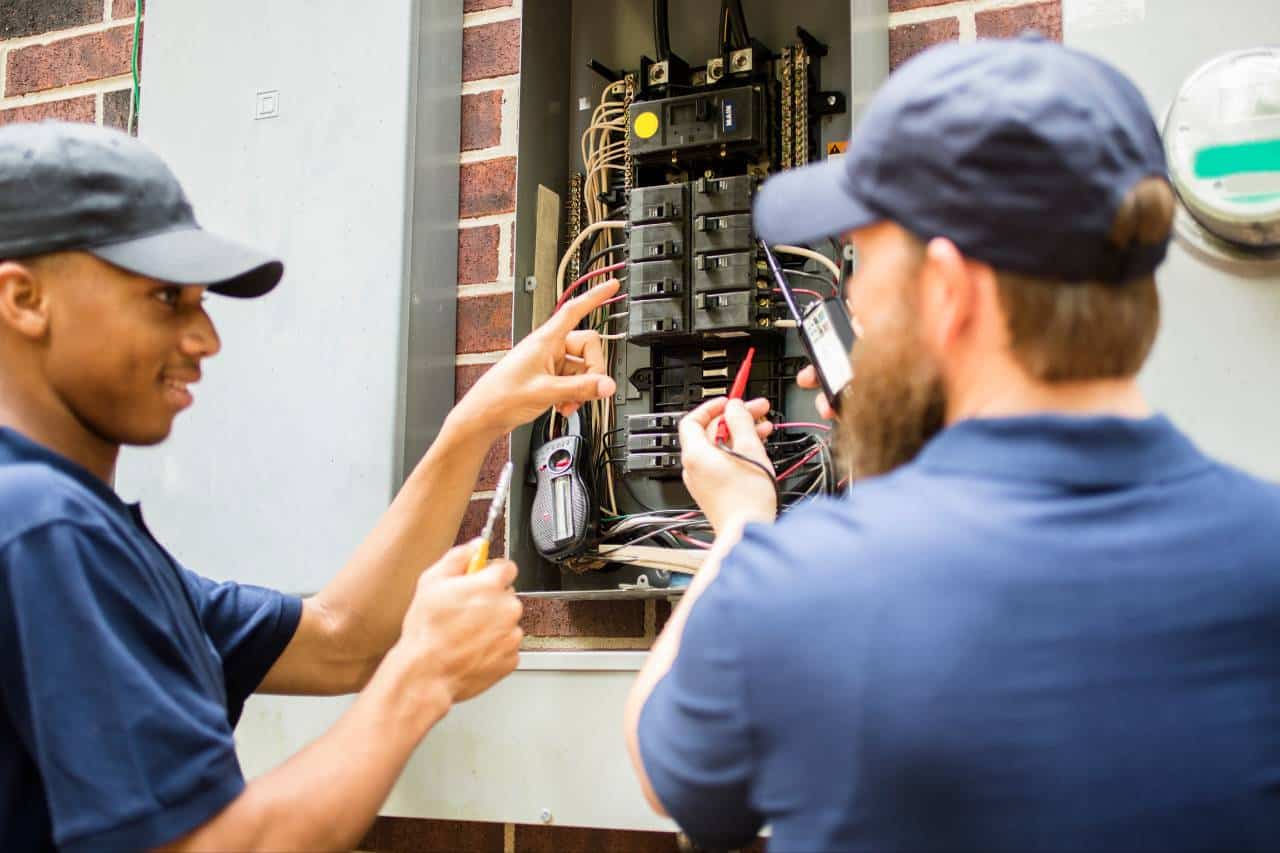 I learned very quickly that not every electrician is equipped to handle commercial emergencies.
Some don’t offer 24-hour callouts. Others won’t work with large systems. And many don’t know the ins and outs of compliance regulations, which in South Africa are essential for insurance and liability purposes.
I eventually partnered with a registered provider who:
-
Responds within an hour
-
Knows the legal codes
-
Offers preventative maintenance
-
Understands commercial-scale systems
-
Issues Certificates of Compliance (CoC)
Today, their number is saved on every manager’s phone. Lesson learned.
Step 2: Identify Electrical Weak Points in Your Business
 Once we had a professional on board, we did a complete electrical health check.
Here’s what we found:
-
🔌 Extension cords overloading sockets
-
⚡ No surge protection on sensitive equipment
-
⚠️ An outdated DB board with no room for expansion
-
🔋 Backup batteries that hadn’t been tested in 2 years
It was eye-opening.
Our electrician helped us:
✔ Upgrade circuits to handle modern load
✔ Add surge protectors and UPS units
✔ Separate essential systems from non-essential ones
✔ Install emergency lights in key areas
Step 3: Develop an Electrical Emergency Plan
 Once our systems were upgraded, we created a formal electrical emergency plan.
This plan includes:
-
📋 A list of essential power points (e.g., routers, server, POS)
-
⚠️ Procedures for shutting down during an outage
-
📞 Emergency electrician contact info
-
🔋 Instructions for switching to backup power
-
🔌 A logbook to record faults and service dates
Every staff member knows where the plan is and what to do. We review it quarterly. It’s simple, clear, and incredibly effective.
Step 4: Invest in Backup Power the Smart Way
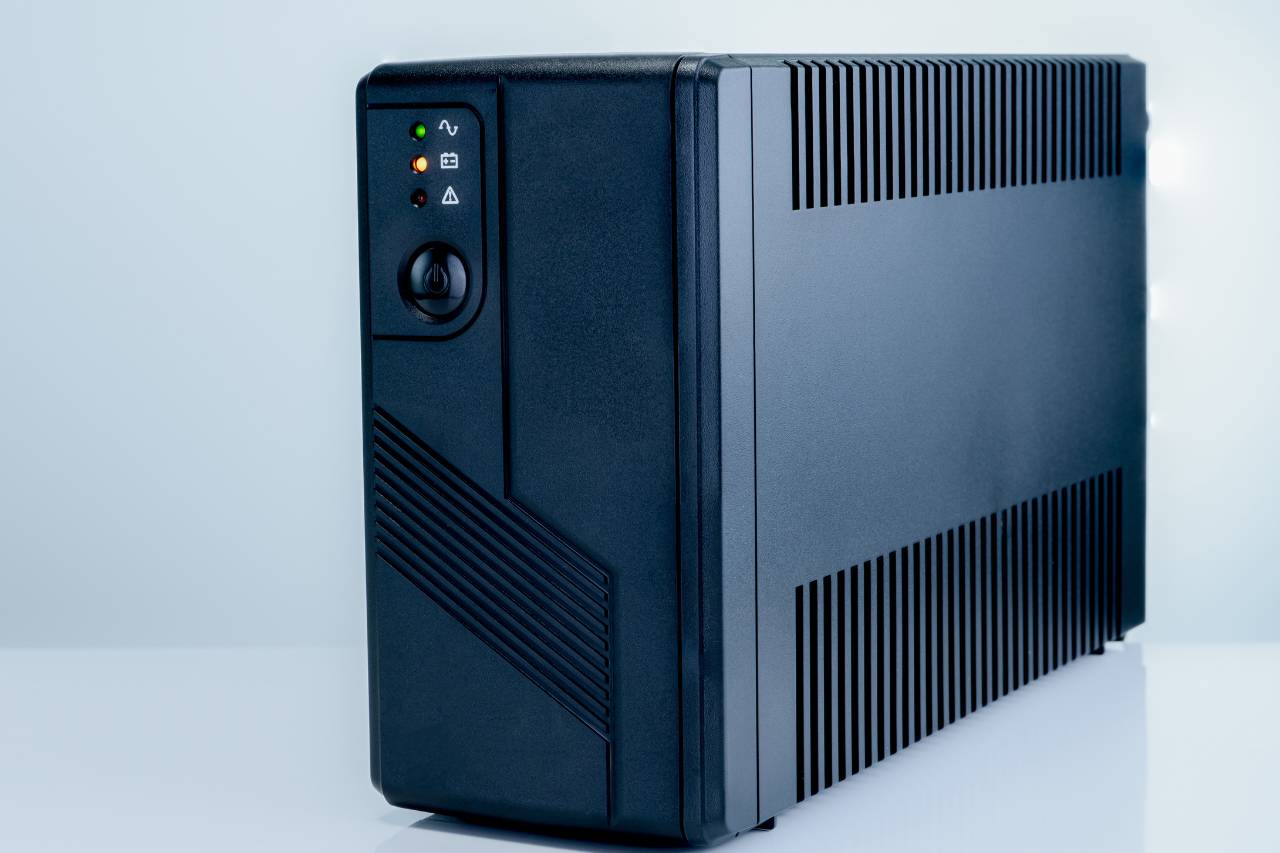 We installed a hybrid inverter system with lithium-ion batteries. It powers our internet, lights, and key office devices during load-shedding or unplanned outages.
You don’t need to spend a fortune. Even a small UPS (Uninterruptible Power Supply) for your router and server can save you from hours of downtime.
An electrician can help you:
-
Design a system based on your business needs
-
Ensure safe installation
-
Integrate it into your DB board legally
-
Test it regularly
Step 5: Schedule Preventative Maintenance
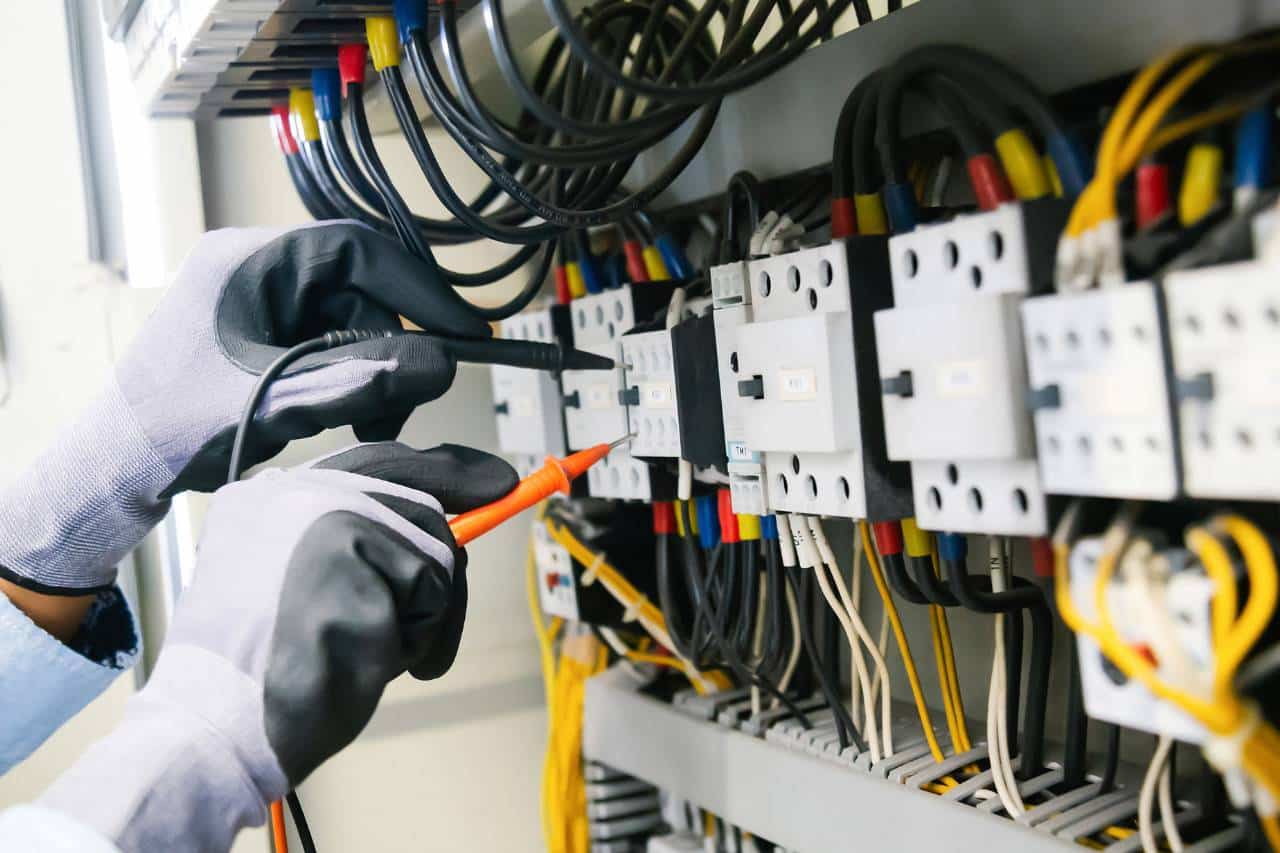 Here’s the thing: electrical problems rarely happen overnight. They build up slowly — corroded wires, overloaded circuits, ageing breakers.
We now schedule bi-annual inspections. During these checks, our electrician:
-
Tests the DB board and earth leakage
-
Checks for heat damage or moisture
-
Inspects surge protection
-
Tests backup systems
-
Issues compliance updates
These inspections cost far less than emergency repairs — and give me total peace of mind.
Real Talk: How Much Can an Emergency Cost You?
Let’s look at real numbers. Here’s what I calculated after our blackout incident:
| Item | Cost |
|---|---|
| Lost productivity (8 staff x R500/hour) | R4,000 |
| Lost sales from walk-in clients | R7,000 |
| After-hours electrician call-out | R2,200 |
| Emergency replacement parts | R3,800 |
| Reputation damage (1 lost client) | Priceless |
Total: Over R17,000 in one afternoon. All preventable.
Today, I invest about R6,000 per year in maintenance, surge protection, and inspections. It’s a no-brainer.
Industries That Can’t Afford to Wait for Power
If your business relies on electricity for security, refrigeration, sales, or healthcare, an emergency plan isn’t optional. It’s essential.
💡 This includes:
-
Supermarkets and retailers
-
Restaurants and cafés
-
Clinics and pharmacies
-
Warehouses and cold storage
-
Data centres and call centres
-
Guesthouses and B&Bs
-
Any business using card machines or Wi-Fi
FAQs About Emergency Electrical Services
Q: How fast can emergency electricians respond in South Africa?
A: Good providers aim for a 1-hour response time in metro areas, though rural response may vary. Always ask about response times upfront.
Q: What is the cost of a call-out?
A: Expect to pay between R1,200 and R3,500, depending on the time of day and nature of the emergency.
Q: Can I install my own inverter or generator?
A: You’ll need a qualified electrician to install and connect it to your distribution board legally — and issue a CoC for compliance and insurance purposes.
Final Thoughts: Don’t Wait for the Lights to Go Out
If there’s one thing I’ve learned, it’s this: power failures are inevitable — but the damage they cause is preventable.
Having a plan for emergency electrical services is one of the smartest, simplest, and most cost-effective ways to protect your business, your people, and your peace of mind.
If you’re reading this and thinking, “I don’t have a plan” — now’s the time to act.
At Mimiti, we work with businesses across South Africa to deliver reliable, efficient, and fully compliant electrical services — from emergency response to smart system upgrades.



0 Comments